These tasks shouldn’t take up your workweek. But when systems fall short, they do. If you’re a small or mid-size business owner or HR leader, you probably didn’t get into this role because you love tracking down time-off requests, chasing signatures, or answering the same benefits question 14 times.
And yet… here we are.
Studies show that small business owners spend about 16 hours (or two full days) per week on HR-related administrative work.
Most businesses lose valuable time to the slow drip of small, repetitive “this will only take a minute,” tasks that quietly eat up the workweek. Add them up, and suddenly your strategic HR goals, like recruitment, retention, and leadership development, get pushed aside.
Here are some of the most common areas that may be draining your time.
Time-Consuming HR-Related Tasks
They seem small. But over time, these tasks drain your attention, your energy, and your progress.
1. Repetitive Tasks and Rework
Every time you hunt down a missing signature or resend login details, you lose time you could be using elsewhere. The common offenders? Answering the same employee questions over and over:
“How do I add my baby to insurance?” “When do benefits start?” “How many PTO days do I have left?”
Sound familiar?
Individually, these are quick answers. Collectively? They’re a constant interruption machine. When you stop to respond, you lose focus, break momentum, and push higher-value work further down your list.
🛠️How To Fix It:Uncover the pain points.Which areas are bogging down the process due to repetition? Where can you create a self-service culture? This can mean establishing a simple internal HR hub (in your intranet, shared drive, or HR platform), short FAQs on benefits, PTO, payroll timing, and onboarding, or short videos that walk through routine processes.
Then, train employees to go there first. When someone asks a repeated question, send the link along with your answer. Over time, behavior shifts. HR becomes a source, not a help desk.
2. Correcting Payroll Errors
The latest software makes running payroll seem easy, but if something goes wrong, the liability is still yours. Miscalculating pay, outdated tax information, and manually tracking time off are time-consuming to fix, hard to catch, and expensive if you don’t, not just in terms of costs but also in lost time and eroded trust among your workers.
🛠️How To Fix It:Automate what you can.Look for tools that let employees request time off directly, route approvals to managers, automatically update balances, and sync with payroll.
When automation handles the basics, HR shifts away from data entry to policy guidance. You’ll still handle exceptions, but you won’t be stuck crunching numbers late at night.
Or leave it to the experts by outsourcing payroll to an IRS-certified PEO. A PEO can simplify the payroll process with a cloud-based payroll portal for employers, online employee access to pay stubs, W-2s, benefits info, employee handbooks, and secure, paperless direct deposits. They can also take care of onboarding, payroll taxes, IRS deposits, benefits administration, compliance guidance, and provide HR support.
3. DIY Compliance Monitoring
Labor laws change constantly. Posting requirements update. Salary thresholds shift. Leave laws multiply. Keeping up with shifting deadlines, state-level compliance requirements, and studying the IRS’s recently updated guidance under the One Big Beautiful Bill Act. Trying to monitor all of this yourself is not only time-consuming – it’s also stressful.
One misstep can be costly. In 2025, the Department of Labor’s Wage and Hour Division recovered more than $259 million in back wages for nearly 177,000 employees. That’s an average of $1,465 per worker (the most since 2019).
🛠️How To Fix It:Don’t carry compliance alone.Get expert help by partnering with a professional. Whether it’s through a PEO, outside counsel, or a compliance partner, get support that keeps you updated on requirements that apply to your business.
You’ll need advice on tricky employee situations, alerts on multi-state regulatory changes, new pay transparency rules, evolving paid leave requirements, changing wage-and-hour laws, new employment-related laws on AI, and much more.
🚀 Pro Tip: Stay compliant with our HR Checklist covering the latest updates and deadlines related to compliance, benefits, payroll, and general HR that you need to take care of each quarter. Download your free HR Checklist ➡️ HERE
4. Updating Employee Data in Multiple Places
Name changes. Address changes. Promotions. New pay rates. If you’re entering the same update into payroll, benefits, retirement platforms, and internal trackers, you’re doing triple-plus work and increasing the chance of errors.
🛠️How To Fix It:Integrate your systems, invest in HR technology, or work with a PEO. A unified HR platform can help connect payroll, benefits, time tracking, and employee records, among other things.
With better integration, changes flow through automatically. That means fewer entries, fewer errors, and more free time.
5. Handling Every Employee Issue Personally
When you’re the only go-to for every conflict, complaint, or issue, your day gets hijacked fast. Some things absolutely belong with HR. But many could be resolved earlier and better by trained managers.
🛠️How To Fix It:Upskill your managers by teaching them to give feedback,handle minor conflicts, anddocument specific issues. This doesn’t remove HR from the process; rather, it elevates the role, moving them from firefighter to advisor.
Stop the HR Busy Work, Amplify Your Impact
Normalizing HR busy work has real consequences, including burnout. Your top performers may feel overwhelmed by constant overtime or pressure to meet demands. It also creates dependence on key team members, making it difficult to delegate when only a few people hold essential knowledge or responsibilities.
Maintaining inefficient processes limits growth, slows project delivery, and prevents your team from focusing on strategic initiatives.
🛠️How To Fix It: Partnering with an IRS-certified PEO can help. By taking on time-consuming tasks, PEOs help small businesses get back more time to focus on productivity and growth.
In addition to saving time, a PEO can also save your business money by identifying inefficiencies, streamlining HR processes, and helping you make critical cost-cutting decisions.
If you constantly feel behind, the fix isn’t more hustle. It’s better tools, clearer processes, and the right support. A PEO can help you stop the small stuff from piling up, so you can invest your time where it matters most. And if you need help, just give us a call at📱 800-446-6567
Find Out What a PEO Can Do for You
If you’re a small to mid-sized business, a PEO can lighten your workload and strengthen your operations. Imagine focusing on growth while experts handle your payroll, taxes, benefits, HR, and compliance.
⬇️Read more about the advantages of working with a PEO in our series:
🔷 HELP WANTED: HR Team or PEO Partner
Investing in an HR team versus partnering with a PEO, which path is best for your small business? As your business grows, managing HR gets complicated – fast.
Should you build your own HR team or explore the benefits of partnering with a PEO? Here’s how to decide which choice best fits your business. ➡️Link #1Link #1Read More
🔷 NEW RESEARCH: More Small Businesses Are Turning to PEOs
Compelling research from the National Association of Professional Employer Organizations (NAPEO) shows that PEOs are helping small businesses scale – a game-changer in 2026.
Working with a PEO isn’t about outsourcing; it’s about upgrading how you manage HR. It’s about investing in smarter growth, happier employees, and peace of mind. In a business world that’s only getting more complex, that’s a benefit worth having on your side. Thousands of successful businesses are already doing it – and the data proves it works. ➡️Link #2Link #2Read More
IT’S HERE!
Your FREE HR Checklist
Here’s your checklist of important tasks related to payroll, benefits, compliance, and general HR.
About Propel HR.Propel HR is an IRS-certified PEO and a leading provider of human resources and payroll solutions for 30 years. Propel partners with small to mid-sized businesses to manage payroll, employee benefits, compliance and risks, and other HR functions in a way that maximizes efficiency and reduces costs. For more information, visit propelhr.com
Productivity is the secret sauce that separates teams stuck on the sidelines from those with winning streaks. Chances are you’re juggling hiring, compliance, benefits, culture, and about a dozen other priorities . . . all while the clock keeps ticking.
Your power play? Outsourcing. When used strategically, it boosts productivity, streamlines operations, and frees you up to focus on what actually moves the scoreboard – your bottom line.
First Quarter: What Productivity Really Means
In HR, productivity isn’t about sprinting faster – it’s about running the right plays at the right time.
True HR productivity means delivering meaningful outcomes with minimal wasted effort. Speed matters, sure, but impact matters more.
Fast hiring doesn’t matter if turnover remains high. Smooth payroll is great . . . unless errors keep forcing replays.
At its core, productivity is about consistent, high-quality execution that supports your business year-round.
Here’s the basic stat line. The fundamental formula HR teams use looks like this: Productivity = Total Output / Total Input.
🎯Stronger Compliance Defense. Mistakes lead to fines, audits, and penalties – that’s expensive. Productive HR keeps risk off the scoreboard.
🎯Scoring Efficiency. In the Red Zone, the stakes are high, and scoring opportunities significantly increase. When your HR team isn’t buried in paperwork, they can make a more strategic impact by focusing on culture, performance, and growth.
🎯Leadership Trust. HR shifts from order-taker to trusted partner.
The results? A productive HR function is the engine that keeps your people – and your business – moving forward.
The Stats Don’t Lie: Proof from the League
The data backs it up:
➡️Flexibility & Remote Work. A Gartner report finds that 43% of employees working flexible hours say they are more productive. Gallup found that fully remote workers report the highest engagement levels.
➡️Engagement Matters. Highly engaged teams are 17% – 21% more productive than disengaged ones.
➡️The Productivity Gap. Top-tier companies grew more productive, while others saw declines due to inefficient collaboration and low engagement.
🎯Winning teams don’t guess; they measure, adjust, optimize, and power up.
The Box Score: Common HR Productivity Metrics
To know how your team is performing, you need the right stats:
📊 Output Metrics. Revenue per employee, output per hour, goals completed vs. assigned
📊 Efficiency Metrics. Time spent per task, employee utilization
📊 Quality Metrics. Accuracy and impact, not just speed
📊 Engagement Indicators. Engagement scores and absenteeism.
📊 Financial Metrics. Total Cost of Workforce (TCOW)
These numbers tell you whether your plays are working and what needs to be redesigned.
A PEO helps improve productivity by offloading time-consuming tasks while strengthening the entire employee lifecycle through MVP expertise and next-level HR tech.
🔥Think of it as adding multiple Tom Bradys to your roster.
THE GAME PLAN
Play #1: Reallocate Resources to Core Strengths
The fastest productivity gain comes from freeing your teams from admin overload. By outsourcing, you get:
✅Time Savings. Business owners can spend 20+ hours per month on HR admin-related tasks. Outsourcing frees up time for growth, sales, and strategy.
✅Administrative Relief. Payroll, benefits enrollment, and multi-state compliance tasks move off your plate and into expert hands.
✅A Team of MVPs. Outsourcing gives you access to a team of pros, ready to help when you need it.
Play #2: Build a Deeper Talent Bench that Flexes
An engaged workforce is naturally more productive.
💼 Lower Turnover. Companies using PEOs see 10%–14% lower turnover, reducing disruptions and retraining time.
💼 Big-league Benefits. PEOs provide access to Fortune 500-level benefits, boosting satisfaction and engagement.
💼 Faster Onboarding. Streamlined onboarding helps new hires get in the game.
Play #3: Upgrade Your Tech Stack
PEOs give small and mid-sized businesses access to advanced HR technology without the big-ticket price tag.
📊 Automation.Payroll and tax automation reduce errors and time-consuming fixes.
📊 Employee Self-service. Employees handle PTO, pay stubs, and benefits updates themselves with fewer interruptions for HR.
Play #4: Strengthen Your Compliance Defense
Compliance isn’t optional and managing it internally can drain focus fast. With a PEO on your team, you get:
🛡️Expert Guidance. A team of HR pros helps prevent fumbles and penalties. PEOs stay on top of federal, state, and local regulations, including ACA and FMLA.
🛡️Safety Programs. Proactive safety audits reduce workplace incidents and business disruption.
Play #5: Win on the Scoreboard
All these efficiencies lead to real, measurable stats:
🏆Faster Growth. Businesses using a PEO grow 7% – 9% faster than those that don’t. And are 50% Less Likely to Go Out of Business
💥That’s not just a win – it’s a blowout. It’s the stuff championships are made of.
FINAL CALL: Make Productivity Your Winning Play!
How far can you go? Productivity isn’t a one-time drill – it’s a GOAT mindset.
When you measure what matters, optimize repetitive work, and outsource strategically, you’re not just working faster . . . You’re working smarter. That’s for legends.
🔥Outsourcing is no rookie move. It’s a strategic productivity partner that helps HR shift from scrambling to scoring. And keeping that winning streak hot.
Ready to Turn HR into a Powerhouse?
Ready to hear your crowd ROOOAAARRR? 🎉 This power playbook is your first step.
➡️If you need some coaching or a huddle about your productivity game plan, we’ve got you all the way to the Super Bowl winning streak and beyond – just give us a call.
IT’S HERE!
Your FREE HR Checklist
Here’s your checklist of important tasks related to payroll, benefits, compliance, and general HR.
About Propel HR. Propel HR is an IRS-certified PEO and a leading provider of human resources and payroll solutions for 30 years. Propel partners with small to mid-sized businesses to manage payroll, employee benefits, compliance, risk, and other HR functions in ways that maximize efficiency and reduce costs.
To learn more, visit propelhr.com
If you run a small or midsize business, you already know growth is exciting, yes — but also unpredictable, and sometimes overwhelming. That’s exactly why more business owners and HR leaders are choosing Professional Employer Organizations, or PEOs, not just to outsource HR tasks, but to grow smarter, faster, and more sustainably.
The Top 10
A PEO helps you scale without letting the behind-the-scenes stuff collapse under the weight of bigger payrolls, more onboarding, greater compliance risk, and higher employee expectations. It’s like adding an entire HR department overnight, minus the overhead and recruitment scramble. A few advantages include:
1. You Get HR Infrastructure Before You Actually Need It (Which Is Exactly When You Need It)
Most small businesses don’t feel the pain of HR complexity until it’s too late. Payroll errors start multiplying, employees want benefits you’re not equipped to provide, and suddenly you’re Googling state labor laws at 11:30 p.m.
A PEO lays the foundation before those cracks show. Payroll scales without drama. Whether you have 10 people or 110, payroll stays smooth, compliant, and on time.
Onboarding becomes a real process and not a scramble. Templates, checklists, digital forms, background screening, and automated workflows ensure consistency as you grow.
Policies adjust proactively. A PEO helps you build employee handbooks, update them with new laws, and create clear rules that reduce risk as your headcount increases.
2. A PEO Delivers the Big-Company Benefits Employees Want
Here’s the part that often surprises business owners: a PEO can give you access to benefits packages typically reserved for much larger companies.
Because a PEO pools together employees across its client base, you essentially get to “buy in bulk,” accessing high-quality benefits at lower rates. That means you can offer your team robust health plans, retirement savings options, and other top-tier benefits typically reserved for larger companies (and top talent expects).
🎯When employees enjoy comprehensive benefits without compromise, your company is seen as a long-term career option. Retention rises, and as every HR pro knows, that’s a growth strategy.
3. Compliance Stops Being a Guessing Game
Growth = risk. New states. New regulations. New employment laws. New reporting requirements.
This is where many small businesses unintentionally step into danger territory. The rules change constantly and the stakes are high.
✅They track federal, state, and local employment laws.
✅They help maintain the required documentation.
✅They ensure new hires are classified correctly.
✅They reduce risk with structured workplace policies.
✅And because of the co-employment relationship, many PEOs also share certain administrative responsibilities – meaning you’re not alone if something goes sideways.
🎯Growing is risky. Growing without compliance support? That’s gambling.
4. HR Technology You Don’t Have to Build Yourself
Scaling is smoother when everything is connected, such as payroll, onboarding, PTO tracking, benefits enrollment, performance management, and reporting. But building your own HR tech stack or licensing multiple vendors gets expensive fast.
🎯A PEO delivers the all-in-one HR command center designed for your business. Better data, better workflows, better decision-making.
5. A PEO Frees Up Time (A Lot of It)
If you’re a business owner, your job is to grow the business, not troubleshoot payroll deductions. If you’re an HR manager, your job is to support the people strategy, not drown in admin work.
A PEO takes on repetitive, time-consuming tasks, such as processing payroll, managing benefits, handling tax filings, and preparing compliance documentation. The more you grow, the more time you reclaim, instead of watching your workload escalate with each hire.
6. You Gain a Team of HR Experts Without Expanding Your Staff
Growing companies don’t always have the luxury of immediately hiring a full HR team — HR generalists, benefits specialists, payroll administrators, compliance officers, recruiters, risk managers, the whole lineup.
A PEO gives you access to exactly those roles, on-demand expertise, without the full-time salary load.
Need help rolling out a new PTO policy? Preparing for benefits renewal? Handling a sensitive employee relations issue? There’s an expert for that. It’s like having a seasoned HR department already onboard, ready to advise you every step of the way.
7. You Become More Attractive to Investors and Partners
Here’s something entrepreneurs don’t always think about: investors love operational maturity. When a PEO is part of your infrastructure, it signals you’re compliant, manage risks well, your HR processes are stable and that you can scale responsibly.
🎯For investors, lenders, and potential partners, a strong HR foundation = reduced risk. And reduced risk makes you a better bet. For acquisitions and rapid growth phases, a PEO can also make integration smoother.
8. A PEO Helps You Build a Better Employee Experience
Growth doesn’t just require more people; it requires keeping the good people you already have on board.
A PEO helps you:
✅Improve communication and access to information.
✅Build modern HR processes that employees trust.
✅Provide competitive benefits
✅Create fair, consistent workplace policies.
🎯A better employee experience leads to lower turnover and higher morale. And in high-growth companies, stability is gold.
9. You Can Expand Into New States With Confidence
Need to hire employees in another state? That’s great for growth, but it creates compliance challenges due to different tax rules and labor law requirements.
🎯A PEO handles all of it, letting you recruit the best talent in any location without losing sleep or risking penalties.
10. You Scale Strategically
Growth can stress your business when operations lag behind headcount. A PEO aligns both, so you’re expanding strategically.
🎯The result? Smooth transitions. Predictable costs. Cleaner processes. Less risk. Happier employees. And more time to focus on what actually grows the business — not on what slows it down.
Growth Is Easier ➡️When You’re Not Doing Everything Yourself
If you’re preparing to scale — or even thinking about it — the question isn’t whether you can handle growth alone. It’s whether you should.
With a PEO, growth is a plan.
A PEO delivers the infrastructure, expertise, and stability that power growing companies, without requiring a major investment or a staff increase.
Ready to see what a PEO can do? We can lighten your workload and help you drive growth, just give us a call at (800) 446-6567 or visit propelhr.com
🎯PEO Series: The PEO Difference🎯
Learn more about how a PEO can help your business in our series:
🔶HR Help Wanted: In-house Team or PEO Partner. Investing in an HR team versus partnering with a PEO, which path is best for your small business? As your business grows, managing HR gets complicated – fast. Should you build your own HR team or explore the benefits of partnering with a PEO? Here’s how to decide which choice best fits your business. Read More
🔶Navigating Compliance Minefields. Navigating HR compliance can feel like tiptoeing through a minefield — one wrong move can trigger costly consequences. From pay transparency laws to overtime thresholds, new regulations evolve faster than most small HR teams can keep up with. Here’s a look at the top HR compliance challenges and how to avoid turning small missteps into expensive lessons. Read More
🔶New Research Shows Why More Small Businesses Are Turning to PEOs. The data is in! And it shows how partnering with a PEO will be the smartest move for small businesses in 2026. Recently released research from the National Association of Professional Employer Organizations (NAPEO) shows that PEO partnerships are helping small businesses scale. It’s smarter, more efficient, and a game-changer. Here’s what the latest data shows. Read More
IT’S HERE!
Your FREE HR Checklist
Here’s your checklist of important tasks related to payroll, benefits, compliance, and general HR.
About Propel HR. Propel HR is an IRS-certified PEO that has been a leading provider of human resources and payroll solutions for more than 25 years. Propel partners with small to mid-sized businesses to manage payroll, employee benefits, compliance and risks, and other HR functions in a way that maximizes efficiency and reduces costs. For more information, visit www.propelhr.com
Updated June 21, 2024. In this ongoing small business blog series, we’ll explore a wide range of topics related to health insurance and benefits – from understanding the different types of health plans and calculating costs to choosing benefits that add value to your employee benefits package.
Providing health insurance to your employees is one of the most important decisions in running a small business. Your health plan can play a key role in recruitment efforts and can also impact employee turnover, productivity, and your bottom line.
With so many options, how do you choose a plan that’s right for your workforce and your business? The first step is to understand the different types of health plans that are available.
Types of Health Plans
Employer-sponsored health insurance, also called group health insurance, is a health plan that employers offer to their employees. The employer selects the plan and determines the details of coverage.
According to the Society of Human Resource Management’s (SHRM) annual Benefits Study released in Sept. 2021, the most common health plans offered include:
High Deductible Health Plans (HDHPs) linked with Health Savings Accounts (HSAs) — 62 percent
Health Maintenance Organizations (HMOs) — 31 percent
HDHPs without HSAs — 16 percent
Point of Service (POS) — 16 percent
Overview of Health Insurance Plans
Preferred Provider Organization (PPO) Plan. Flexibility makes PPOs one of the most popular choices of health plans among small businesses. In a PPO, participants are allowed to see any doctor, hospital, or specialist in and outside the network. Participants are also covered while traveling.
High Deductible Health Plan (HDHP). A high annual deductible keeps monthly premiums much lower than other types of traditional health plans. Participants are required to pay for health care costs until the deductible is met before becoming eligible for the plan’s copays.
For 2022, the IRS defines a High Deductible Health Plan as any plan with a deductible of at least $1,400 for an individual or $2,800 for a family. An HDHP’s total yearly out-of-pocket expenses (including deductibles, copayments, and coinsurance) cannot exceed $7,050 for an individual or $14,100 for a family. This limit doesn’t apply to costs of out-of-network services.
High Deductible Plans are often combined with a Health Savings Account (HSA). The funds saved in these accounts are not subject to federal income tax and allow participants to pay for certain medical expenses tax-free.
Health Savings Plan (HSA). An HSA is a type of savings account designed to lower overall healthcare costs. Participants are allowed to set aside money on a pre-tax basis to cover qualified medical expenses, such as dental care, chiropractic services, prescription medication, vision care, flu shots, copays for prescriptions and office visits, and more. Some health insurance companies offer an HSA as part of an HDHP plan.
Health Maintenance Organization (HMO) Plan. An HMO health insurance plan only covers medical services at an in-network provider, which helps keep premiums and copays low. Under an HMO, employees are required to select a primary care physician who delivers the majority of care. Before seeing another doctor, participants must get a referral from their primary care physician – the only exception is an emergency. In addition, services are restricted to physicians, hospitals, and facilities within the HMO network.
Point of Service (POS) Plan. In a POS plan, participants pay higher fees for out-of-network services but gain access to a broader selection of healthcare providers and specialists. Unlike PPO plans, which restrict benefits to in-network providers within a certain coverage territory or state, a POS does not have local restrictions.
Indemnity Plan. Indemnity health insurance, also called a Fee for Service (FFS) plan, is a highly flexible policy that allows participants to see any healthcare provider and select any hospital. An indemnity plan provides participants with a cash payment to cover medical costs of a qualifying incident, such as a critical illness or an accident. Because comprehensive coverage is not included, indemnity plans are typically used as an add-on to other health plans, such as a PPO or HDHP plan.
Choosing the Right Fit
Are you looking to change the health insurance strategy for your small business? While selecting your health plan basically comes down to your employee needs and your budget, there are still a number of other factors small businesses must consider.
To choose the right plan, you can do your own research or seek expert guidance through an insurance broker or an IRS-certified PEO, like Propel HR. Because of a PEO’s ability to group employees of small businesses into one larger pool as a way to negotiate better health plans at much lower rates, small businesses are able to offer top-rated health insurance plans and enterprise-level benefit packages similar to those only available to large corporations.
Propel HR’s National Master Health Plan
Propel HR offers comprehensive medical insurance plans designed to fit your employee’s needs and your budget. Our national Master Health Plan is administered through BlueChoice, a part of an AM Best A+ rated health insurance carrier and one of the largest and most trusted health insurance providers in the country.
To learn more about Propel HR’s Master Health Plan, contact us at (800) 446-6567.
About Propel HR. Propel HR is an IRS-certified PEO that has been a leading provider of human resources and payroll solutions for more than 25 years. Propel partners with small to midsized businesses to manage payroll, employee benefits, compliance and risks, and other HR functions in a way that maximizes efficiency and reduces costs. Visit our website at www.propelhr.com.
Lower wages and fewer benefits were the norm for women, particularly women of color. As white women entered the workforce in greater numbers, jobs became fewer for African American women. As a result, they suffered disproportionately during the depression, with more than half of Black women losing their jobs. Historically, Black families had never been able to survive on one income because of racial wage disparity, and during this time, families became destitute. Southern Democrats pushed for local administration of many New Deal policies, which meant segregation in the programs. Black women worked predominantly on farms and as domestic workers. When the 1935 Social Security Act was proposed, Southern Democrats and anti-New Deal Republicans joined forces to deny domestic and farm workers Social Security, excluding 90% of African American women from this benefit.
Defense Industry Expands and Women Step Up. Prior to the invasion of the Japanese on Pearl Harbor on December 7, 1941, industries in the United States were already helping with the war effort. In one of his Fireside Chats in 1940, President Franklin Roosevelt called on America to be the “great arsenal of Democracy” by increasing the production of airplanes and munitions to help the British. Factories increased production, and after Pearl Harbor, the defense industry continued to expand while American men were mobilized for service. Workers were needed, and once again, American women were there to support their country.
Rosie the Riveter was the star of the wartime campaign aimed at recruiting women to the workforce. Rosie the Riveter was used in songs, movies, posters, and articles. The most famous “Rosie” was Norman Rockwell’s portrait which was featured on the cover of The Saturday Evening Post on May 29, 1942. Rockwell based his Rosie on Michelangelo’s painting of Isaiah in the Sistine Chapel. The painting shows Rosie with a masculinized body who can handle the job required of her. Eating her sandwich with her painted nails and holding a rivet gun, she steps on a copy of Mein Kampf. This image shows the strength, courage, and grit of the American woman during the war. Yet, regardless of her strength, she is still a woman, with her lipstick, painted nails, and a compact handkerchief in her pocket.
The most iconic poster from that era was by artist J. Howard Miller for Westinghouse Electric & Manufacturing Companies. This poster was used in the Westinghouse factories as a motivation to work hard, yet it would not have had the same widespread exposure that it has today. “We can do it” has become a rallying symbol of the power of individual women during the war and even more so today. It is the ultimate symbol of female empowerment! There is even a COVID Rosie!
Wartime Propaganda Drives More Women into The Workforce.Not all of the propaganda was empowering. The U.S. government played on the emotions of fear, guilt, and patriotism to encourage women to help their nation. Campaigns such as “a soldier may die unless you man this machine” guilted women into the labor pool. One propaganda film that played before movie features titled Conquer the Clock showed the deadly consequences of a smoke break by a female defense worker who allowed cartridges to pass uninspected.
The propaganda worked, and women entered the workforce in great numbers. FDR urged employers to abandon their prejudices and keep factories running at full capacity. In 1942, the government projected a need for three million more workers, and the prime pool available were married women.
Between 1940 and 1945, women’s presence in the labor force grew by more than 50%, from 11.9 million to 18.6 million. Women’s employment was seen as vital and patriotic. By 1945, nearly one out of every four married women worked outside the home. New jobs opened for women, and the aviation industry saw the greatest increase in female workers. In 1943, 65% of the industry’s total workforce was female, compared to just 1% prior to the war.
Pay Disparity and The War Labor Board. Although working women were crucial to the war effort, their pay did not reflect their value. Female workers often earned half of what their male counterparts earned. The call to work during the war was meant to be temporary, and women were expected to leave their jobs after the war ended. The War Labor Board was set up in 1942 to handle labor disputes and issues related to wages. They mandated that there should be equal pay for equal work during the war, but just like in World War I, companies found ways to get around this mandate and pay disparity persisted.
Lack of childcare was another issue that many women faced. In England, the government provided support for working mothers during the war, but the U.S. did not. Children were left at home by themselves or with older family members while mothers went to work in the war plants. For mothers, this was a no-win situation as they would be considered unpatriotic if they didn’t work and bad mothers if they did.
Women in the Workforce: We Can Do It!
Whether married or single, with children or not, working part-time, full-time, or even two jobs, as a stay-at-home mom or a community volunteer, American women can do it! Throughout history, American women always have. And I am so proud we do! Over the next few months, I will explore how topics about women in the workforce from the early 1900s until the present. Also, I want to note the changing trends of women in the workforce that this series contemplates will focus on white, middle-class women. Women of color have had very different experiences, and their work lives have been defined by racism, sexism, and financial necessity. I have pointed this out when possible, but please keep in mind that this series is not a complete picture of all women.
Please check back to read the next blog in the series, Women in the Workforce: We Can Do It! as we explore Working Mothers and the Lack of Childcare.
Propel HR President Lee Yarborough
“My father, Braxton Cutchin, and I founded the company in 1996. After being in the PEO and HR world for 25 years, I have experienced firsthand the value we can provide to both the clients and the employees. It is truly a win for all parties. I’m proud to have helped establish Propel HR as an industry forerunner in the Southeast. There is nothing I love more than receiving phone calls from clients who seek my advice as a trusted advisor. This is a business where I feel that I can help others, and that is important to my own value.”
— Lee Yarborough, President, Propel HR
Active in many professional and community organizations, Lee recently served as Chair of the Board of Directors of the National Association of Professional Employer Organizations (NAPEO). As NAPEO Chair, Lee focused on diversity and initiatives to deepen member relations. Under her leadership, she formed Women in NAPEO (WIN), a networking group designed to engage, empower, and encourage women working in the PEO industry. On the local level, Lee also served as the Chair of NAPEO’s Carolinas Leadership Council for more than a decade. In 2015, she was named a Fellow of the eleventh class of the Liberty Fellowship Program and a member of the Aspen Global Leadership Network.
An advocate for public education, Lee has served on the executive board as Chair of Public Education Partners and is the founder and director of Read Up Greenville, a young adult and middle grades book festival in downtown Greenville, SC.
About Propel HR. Propel HR is an IRS-certified PEO that has been a leading provider of human resources and payroll solutions for more than 25 years. Propel partners with small to midsized businesses to manage payroll, employee benefits, compliance and risks, and other HR functions in a way that maximizes efficiency and reduces costs. Visit our website at www.propelhr.com.
From the high costs at the pump, a lack of workers due to a severe labor shortage, and an active pandemic, small businesses continue to look for new ways to reduce costs. Here are four ways to save.
Manage Employee Retention and High Turnover. In this tight labor market, attracting and keeping employees is more important than ever before. When an employee leaves, it can be a big hit, not only in terms of salary but also in terms of morale and productivity. Studies show that losing an employee can cost a business 1.5-2 times their salary depending on experience, position, industry, location, etc. When an employee leaves, it also takes a toll on productivity and engagement.
Prevent Workplace Risks and Costly Compliance Violations. Reducing workplace risks and preventing costly compliance violations is another important area where businesses can save. But that’s no easy task.
In addition to staying on top of new and changing employment laws and regulations at the federal level, many state and local governments have their own rules — which makes staying compliant even more of a challenge if you have employees working in different states. According to a recent survey, only one in four businesses are confident about their knowledge of current employment laws and regulations at the federal (23%), state (26%), and city/county (29%) levels.
While not all laws apply to every business, employers should be familiar with the laws and changes that may affect their business. Some of the most common areas that put employers at risk for compliance violations and fines include:
Staying in compliance with new federal, state, and local employment laws and changing filing deadlines
Complying with Fair Labor Standards Act (FLSA) workforce classifications and requirements for overtime pay
Managing Family Medical Leave Act (FMLA) eligibility and administration
Handling EEOC complaints
Employee handbook requirements and state-specific versions
Compliance training and workplace safety requirements
Lower Costs of Your Health Plan and Employee Benefits Package. Not only does a great benefits package attract top talent, but it also helps to keep and motivate your workers.
However, high-quality benefits are expensive and often out of reach for most small businesses. One way to lower health plan costs and enhance benefits at the same time is with the help of a PEO. Because of a PEO’s ability to group employees of small businesses into one larger pool as a way to negotiate better health plans at lower rates, employers are able to offer top-rated health insurance plans and enterprise-level benefit packages similar to those only available to large corporations.
Outsource and Eliminate Time-Consuming Tasks. Faced with a lack of workers and a downward turning economy, employers are tightening budgets and looking at areas and services where they can cut costs without compromising business outcomes. Outsourcing can can help.
Many businesses are already benefiting from the advantages of outsourcing. Some of the most common areas to outsource include payroll and human resources. Because you pay for only the services you need, the cost to outsource is often less than the cost of hiring additional staff. Employers also benefit from accessing more tools, innovative workplace strategies, and a higher level of expertise that can help positively impact performance and productivity and ultimately help drive revenue.
For example, studies show that companies that partner with a PEO to outsource non-core services save 21% savings just on HR administration. According to the report conducted by the National Association of Professional Employer Organizations (NAPEO), PEOs provide access to more HR services at a cost that is close to $450 lower per employee compared to companies that manage their HR services in-house.
Companies that use a PEO grow 7 to 9 % faster, have 10-14% lower employee turnover, and are 50% less likely to go out of business.
How Much Can Your Small Business Save?
When it comes to reducing costs, the one thing most businesses have in common is the need for expert guidance. By taking a hard look at areas and investing in the right partners, small businesses can get costs under control, cut expenses, and leverage the money saved. From access to better benefits at lower costs, compliance protection, and guidance on measures to improve HR efficiency, the advantages of adding a certified PEO, like Propel HR, to your team of advisors increase the odds for a stronger bottom line.
Learn how Propel HR helped one company save more than $97,000 a year just by making a few adjustments in payroll, reducing workplace compliance risks, and switching to Propel HR’s Master Health Plan. Download their success story HERE. Or contact us to see how we can help you save too.
About Propel HR. Propel HR is an IRS-certified PEO that has been a leading provider of human resources and payroll solutions for 25 years. Propel partners with small to midsized businesses to manage payroll, employee benefits, compliance and risks, and other HR functions in a way that maximizes efficiency and reduces costs. Visit our new website at www.propelhr.com.
During the Great Depression, millions of Americans lost their jobs, and the average family income dropped by 40%. Interestingly, the employment rates of women increased. Between 1930 and 1940, the number of women in the workforce in the United States rose 24%, from 10.3 million to 13 million. The jobs that were traditionally viewed as “women’s work” were far less impacted by the stock market. Although women were still paid less than men, the jobs more readily available to women were more stable. As the male breadwinners of the family lost jobs, women had a greater sense of urgency to find work. Between 1929 and 1939, there was also a 22 percent decline in marriage rates which meant more women had to support themselves.
The New Deal. Franklin Delano Roosevelt took office during the worst economic crisis in U.S. history and immediately worked to secure the country. FDR implemented The New Deal, which included programs, work projects, and policies. Influenced by the strength of his mother and wife, Roosevelt had a great appreciation for the abilities of women and saw them as his peers. He named 22 women to senior groundbreaking appointment of Frances Perkins as the Secretary of Labor. Perkins was the first female to hold a cabinet position in the U.S. Under her leadership, a minimum wage was enacted, a maximum workweek was established, child labor was outlawed, the social security system was implemented, and unemployment insurance was made available. Interestingly, when she was named Secretary of Labor, Perkin’s husband was suffering from extreme mental illness, and she was her family’s sole financial support.
Many New Deal programs helped women, including widows, the unemployed, and the aged, but there was still inequality. There was still the common perception that women’s work was not as important, and in fact, during the Depression, some viewed women as part of the problem, taking jobs that might have gone to unemployed men. A 1936 poll asked if a family needed the money, should a woman be able to keep a full-time job, and amazingly only 35% said yes. To put that another way, 65% felt that a woman should NOT be able to keep her job even if her family was in need.
Work Opportunities exclude Married Women. It was socially acceptable for single women to work, but during the Depression, married women were urged to leave the workforce. Ironically, even Secretary of Labor Francis Perkins advocated against married women competing for jobs with men. Perkins stated, “The woman ‘pin-money worker’ who competes with the necessity worker is a menace to society, a selfish, shortsighted creature, who ought to be ashamed of herself.”
The 1930s saw a spike in laws that discriminated against married women. The 1933 Federal Economy Act even ruled that if a married couple was employed by the federal government, then one spouse must resign. The rule did not specify the woman, but it was understood that the wife was expected to resign. To ensure that couples did not try to cheat this rule, women were required to take their husband’s name when married. Eleanor Roosevelt spoke out against this law, arguing that government salaries were so low that a family needed two incomes to get by.
Twenty-six states introduced laws banning the hiring of married women, but Louisiana was the only state to pass it. Thankfully, it was quickly declared unconstitutional. Other prohibitions discriminated against married women, including more than three-quarters of the nation’s public-school districts refusing to hire married teachers unless they were male.
Inequality in Wages and Conditions. The Civil Conservation Corps, or the CCC, was one of Roosevelt’s most successful New Deal programs providing millions of men with work on environmental projects. It originally excluded women until Eleanor Roosevelt and her peers protested this practice. Eleanor said that “as a group, women have been neglected in comparison with others and throughout the depression have had the hardest time of all.”
Through her persistence, a female version of the CCC was established in 1933 and was mockingly called the “She-She-She camps.” However, when women could participate, the wages and conditions were not equal, nor was the impact. More than 2.5 million men were a part of the CCC, while there were only spots available for 8,500 women. Men spent a minimum of six months working on national park projects and received $30 per month plus room and board. Women had to apply and prove that they were single and destitute. At the camps, they could stay only four weeks while they focused on education, vocational training, and leisure. They received only $5 per month plus room and board. There were many critics of this program as people felt that women should be at home and the government should not focus on helping women. Some even said the camps promoted communism. Funding for the female camps ended in 1937, but at its peak, there were 28 camps in 26 states, including specific camps for African American women and Native American women.
The Works Progress Administration. The Works Progress Administration or WPA had a greater impact on women. Sewing centers were established, and more than 200,000 unskilled women were hired to make clothes and blankets for the needy. The WPA also helped educated women by employing them as teachers, librarians, and researchers. Female artists were employed to establish art programs, teach music lessons, and write WPA travel guides.
Former Mississippi legislator, Ellen Woodward, managed the Women’s and Professional Projects of the WPA, which helped employ approximately 450,000 women. Many people were against government-funded jobs or relief for women stating that women should stay home and not steal jobs from men. Yet, as a widow and single mother, Woodward knew the importance of the programs she promoted. As she eloquently stated, “every time a woman is removed from the humiliation of a breadline, and given work to do, a home somewhere becomes more secure.” The WPA launched many successful programs, but not all women were eligible. Only one member of a household could qualify, and women had to prove themselves as the head of the household. If the husband was physically able to work, then he was considered the head of the household regardless of his ability to find a job.
Women in the Workforce: We Can Do It!
Whether married or single, with children or not, working part-time, full-time, or even two jobs, as a stay-at-home mom or a community volunteer, American women can do it! Throughout history, American women always have. And I am so proud we do! Over the next few months, I will explore how topics about women in the workforce from the early 1900s until the present. Also, I want to note the changing trends of women in the workforce that this series contemplates will focus on white, middle-class women. Women of color have had very different experiences, and their work lives have been defined by racism, sexism, and financial necessity. I have pointed this out, when possible, but please keep in mind that this series is not a complete picture of all women.
“My father, Braxton Cutchin, and I founded the company in 1996. After being in the PEO and HR world for 25 years, I have experienced firsthand the value we can provide to both the clients and the employees. It is truly a win for all parties. I’m proud to have helped establish Propel HR as an industry forerunner in the Southeast. There is nothing I love more than receiving phone calls from clients who seek my advice as a trusted advisor. This is a business where I feel that I can help others, and that is important to my own value.”
— Lee Yarborough, President, Propel HR
Active in many professional and community organizations, Lee recently served as Chair of the Board of Directors of the National Association of Professional Employer Organizations (NAPEO). As NAPEO Chair, Lee focused on diversity and initiatives to deepen member relations. Under her leadership, she formed Women in NAPEO (WIN), a networking group designed to engage, empower, and encourage women working in the PEO industry. On the local level, Lee also served as the Chair of NAPEO’s Carolinas Leadership Council for more than a decade. In 2015, she was named a Fellow of the eleventh class of the Liberty Fellowship Program and a member of the Aspen Global Leadership Network.
An advocate for public education, Lee has served on the executive board as Chair of Public Education Partners and is the founder and director of Read Up Greenville, a young adult and middle grades book festival in downtown Greenville, SC.
When she breaks from board meetings, client visits, and networking, most likely, you will find Lee reading, camping, or spending time with her family. She also enjoys volunteering at her church and staying involved with her children’s schools.
About Propel HR. Propel HR is an IRS-certified PEO that has been a leading provider of human resources and payroll solutions for 25 years. Propel partners with small to midsized businesses to manage payroll, employee benefits, compliance and risks, and other HR functions in a way that maximizes efficiency and reduces costs. Visit our new website, www.propelhr.com.
Post WWI: The Man’s Income is The Family’s Income. After the war, married women went back to working in the home. Only 10% of married white women, including new immigrants, worked outside of the home.
There was a societal belief that a man’s income was the family income, and therefore there was no need for married women to have a job. Black families did not have that luxury, and married black women continued to work outside of the home due to financial necessity.
Single women, however, stayed in the workforce, and their employment increased during the 1920s. It was the age of the flappers and young, single women represented this lifestyle with increased independence. As more people moved to the cities, more jobs were available to women. Traditional female jobs, such as teachers, nurses, and librarians, continued to be popular, but the rise of corporate offices brought about new opportunities. Young, ambitious women found work in the cities as typists, filing clerks, and secretaries. The pictures of many women working behind desks were common during this time, and although the work was mundane, it was better than working in the mills or farms.
Buying Power of Women is Recognized. Consumerism increased in the 1920s. Household appliances, cosmetics, and clothing advertisements targeted women, and working women used their financial independence to buy these goods. An advertisement in the Chicago Tribune expressed that “Today’s woman gets what she wants, the vote, slim sheaths of silk to replace voluminous petticoats, glassware in sapphire blue or glowing amber, the right to a career, and soap to match her bathroom’s color scheme.” Consumerism also brought about new career opportunities. Department stores in the 1920s hired women in large numbers to sell products and to work as buyers and designers.
Although there were more opportunities for women in the 1920s, the goal for young women was still marriage. Jobs were often seen as an opportunity to meet men and secure a proposal. The flappers of that era, with their short hair and short dresses, still knew that their ultimate goal was to be a wife. They may have danced, drank, smoked, and worked as secretaries, but for most white women during this time, that sense of independence would be short-lived. Education and jobs were viewed as a precursor to marriage. In fact, Henry Ford once said, “I pay our women well so they can dress attractively and get married.”
Societal Expectations Prevail. The general expectation was that men were the breadwinners and women tended to the home. If women did work outside of the home, then it was to have some extra fun money or to pursue a personal interest.
With that in mind, it was only natural for women to be paid less than men. Cultural norms persisted, and most Americans approved of paying men higher wages for the same job, and most agreed that women should not work once married. This societal ideal of the American family was far from the truth. Many women needed to work to help their families put food on the table, and many women were the sole breadwinners. Unequal treatment in the workplace was detrimental to many households.
The Impact on Black Women. Although the 1920s was a time of prosperity, by the end of the decade, 59% of American families could not make enough money for even a minimal standard of living, and African American families were especially impacted. Black women in the North had approximately the same literacy rate as white women, but the payoff was much lower. Even though Black women were similarly educated and worked for less wages, employers refused to hire them. Most Black women were limited in their work choice to factories or domestic services. In 1900, African Americans accounted for one-fourth of the domestic workers, and by 1930, that number rose to one-half. Employment agencies even traveled to the South to recruit women to the North to work as servants, offering them jobs and transportation. The majority of the 750,000 blacks who moved north during the Great Migration in the 1920s were women. In New York City, there were 10 Black women for every 8.5 men.
Limited Job Opportunities & Wage Disparity Continues. By 1929, more than a quarter of all women, and more than half of all single women, were working outside of the home. Not only were job opportunities limited, but the pay disparity was great. In factories, male workers in 1920 started at 40 cents per hour, while women started at 25 cents. The average weekly wage for a man was $29.35, and for a woman, it was $17.34. Society liked to think that young women were only working for the short term before marriage, so the wage disparity was not a cause for much concern.
Women in the Workforce: We Can Do It!
Whether married or single, with children or not, working part-time, full-time, or even two jobs, as a stay-at-home mom or a community volunteer, American women can do it! Throughout history, American women always have. And I am so proud we do!
Over the next few months, I will explore how topics about women in the workforce from the early 1900s until the present. Also, I want to note the changing trends of women in the workforce that this series contemplates will focus on white, middle-class women. Women of color have had very different experiences, and their work lives have been defined by racism, sexism, and financial necessity. I have pointed this out when possible, but please keep in mind that this series is not a complete picture of all women.
“My father, Braxton Cutchin, and I founded the company in 1996. After being in the PEO and HR world for 25 years, I have experienced firsthand the value we can provide to both the clients and the employees. It is truly a win for all parties. I’m proud to have helped establish Propel HR as an industry forerunner in the Southeast. There is nothing I love more than receiving phone calls from clients who seek my advice as a trusted advisor. This is a business where I feel that I can help others, and that is important to my own value.”
— Lee Yarborough, President, Propel HR
Active in many professional and community organizations, Lee recently served as Chair of the Board of Directors of the National Association of Professional Employer Organizations (NAPEO). As NAPEO Chair, Lee focused on diversity and initiatives to deepen member relations. Under her leadership, she formed Women in NAPEO (WIN), a networking group designed to engage, empower, and encourage women working in the PEO industry. On the local level, Lee also served as the Chair of NAPEO’s Carolinas Leadership Council for more than a decade. In 2015, she was named a Fellow of the eleventh class of the Liberty Fellowship Program and a member of the Aspen Global Leadership Network.
An advocate for public education, Lee has served on the executive board as Chair of Public Education Partners and is the founder and director of Read Up Greenville, a young adult, and middle grades book festival in downtown Greenville, SC.
When she breaks from board meetings, client visits, and networking, most likely, you will find Lee reading, camping, or spending time with her family. She also enjoys volunteering at her church and staying involved with her children’s schools.
About Propel HR. Propel HR is an IRS-certified PEO that has been a leading provider of human resources and payroll solutions for 25 years. Propel partners with small to midsized businesses to manage payroll, employee benefits, compliance and risks, and other HR functions in a way that maximizes efficiency and reduces costs. Visit our new website, www.propelhr.com.
Experts say the labor shortage is here to stay, at least for now. What can employers do to overcome staffing challenges? How can employers keep up with growing demands and avoid business disruption? Here are a few solutions that may help.
Make Workers a Better Offer. Employees are leaving their current jobs for better working conditions, benefits, flexibility, and work-life balance. In a tight labor market, you don’t want to lose your employees over areas that can be improved.
Determine what you need to do to make adjustments in order to create more attractive job opportunities. This may mean more competitive pay, enhanced benefits, more training or reskilling opportunities, and better overall working conditions. According to a recent study, 94% of employees surveyed say they would remain at their job if their employer would invest in their development and provide training opportunities. Therefore, look for ways to ensure employees are provided with the necessary training, resources, tools, and support to perform their jobs successfully.
Creating a more attractive job offer not only benefits workers but also benefits employers as well. Results can include better employee engagement rates, lower turnover, and increased productivity. In addition, keeping workers leads to lower expenses associated with less time and money spent on recruitment, onboarding, and training.
Look for Ways to Enhance Your Employee Benefits Package. According to the 2022 Global Benefits Attitudes Survey, more than half (53 percent) of employees in the U.S. are open to leaving their current employers. Workers are reevaluating what they want in a job and are taking a hard look at work opportunities based not only on wages but also on benefits that are important to them. This may include higher quality health insurance plans, expanded benefit options, paid family and medical leave, employee assistance programs, flexible work options, and opportunities for advancement and growth.
Outsource Where You Can. Determine how to do more with less. Cut out time-consuming tasks and focus on productivity and efficiency. Before the pandemic, many businesses were taking advantage of the benefits of outsourcing to save money and time.
The first step is to identify the processes, functions, and areas of your business where you need the most support. Some of the most common areas include human resources, customer service, payroll, risk management, and customer service. Many small businesses have found outsourcing to a Professional Employer Organization (PEO) not only as a remedy for navigating the labor crisis but also as a long-term strategy to lower costs, gain access to better benefits and add expertise. A PEO can help with:
✔️Lower HR-related Expenses. Working with a PEO lowers HR-related expenses and saves your business money in many ways.According to a study, 70 percent of companies that partner with a PEO report revenue growth twice that of comparable non-PEO firms.Based on cost savings alone, the ROI of partnering with a PEO is 27.2 percent per year.
According to a report conducted by the National Association of Professional Employer Organizations (NAPEO), PEOs provide access to more HR services at a cost close to $450 lower per employee compared to businesses that manage their HR services in-house. In addition, studies show that companies that partner with a PEO see a 21% savings in HR administration.
✔️Access to Better Health Plans and Employee Benefits. In addition, a PEO can help employers lower health plan costs and provide better benefits, such as top-rated health insurance plans and enterprise-level benefit packages similar to those offered at large corporations.
✔️Added Expertise. One of the most valuable benefits of outsourcing to a PEO is that it’s flexible and can evolve as your business grows and needs change. Services that can be customized to meet the needs that are specific to your business. Employers can access new tools, implement more innovative strategies, and gain valuable industry expertise to impact company performance.
Get Creative with Recruitment. Find more creative ways to attract workers, such as
offering sign-on bonus and incentives, developing more competitive referral programs, and creating an easier and more efficient hiring process.
Provide Flexible Work Options. Without enough workers, employers need to find new ways to streamline services and modify processes to get more work done. For example, this may require investing in technology in order to automate certain functions or provide more workplace flexibility. Studies shows that a majority of job seekers are more likely to work for a company that allows the flexibility to work from home. Workplace flexibility is not limited to remote work but may also include the option to choose a schedule that best suits an employee’s needs.
Workforce Solutions are in the Hands of Employers
As demand continues to increase, the labor pool is decreasing. Waiting for the labor shortage to end and hoping more workers appear is not an answer. Taking action is, especially if you want your business to grow.
About Propel HR. Propel HR is an IRS-certified PEO that has been a leading provider of human resources and payroll solutions for more than 25 years. Propel partners with small to midsized businesses to manage payroll, employee benefits, compliance and risks, and other HR functions in a way that maximizes efficiency and reduces costs. Visit our new website at www.propelhr.com.
This is Part Two of a 14-part series, Women in the Workforce: We Can Do It! which explores topics related to the history, challenges, and accomplishments of working women in America.
In the early 20th century, most women did not work outside of the home, and if they did, they were typically young and unmarried. The census bureau reported that 20% of women were gainfully employed in the workforce, and only 5% were married women. African American women made up a larger proportion of these numbers as they were more likely to stay in the workforce after marriage. In some states, there were even laws that restricted women’s working hours and jobs. Cultural norms, legal restrictions, educational opportunities, and the lack of work available to women all contributed to these low numbers.
However, things for women began to change once our country was at war. In 1917, President Woodrow Wilson enacted the draft for all men between 21 and 30. Millions were drafted into service, which left gaping holes in the workforce. Women were ready to jump in to help their country and quickly entered the job market.
Positions Beyond Domestic Jobs. As men went overseas, women were encouraged to fill their jobs. Women were no longer limited to traditional feminine jobs, such as housekeeping, but were abruptly employed in every field.
During World War I, they worked in banks, railroads, ammunition factories, farms, and more. African American women were also able to move beyond the limiting domestic jobs to the factory floors and offices. In addition to women working outside of the home, approximately 300,000 women served in the Army and Navy. Over 25,000 women went to Europe and volunteered as nurses, canteen hostesses, and switchboard operators. These women were working alongside men in the service, yet they never received the status or benefits of the men.
Educational Opportunities. Educational opportunities for women also increased as additional training was needed for the skilled jobs available. Women’s unions formed during this time supported the unique circumstances around working women. The National War Labor Board was established in 1918 to settle any labor disputes during the war. The NWLB was an agency made up of 12 members. The board opposed employee strikes but supported unions, collective bargaining, eight-hour workdays, and equal pay. The board decided that if women worked the same jobs that men would ordinarily work, they should be paid the same. Unions supported the idea of equal pay during the war effort because they wanted to make sure that wages did not decrease for males when they returned from the war. However, women’s take-home pay did not necessarily increase as employers found creative ways to get around the requirements using tactics such as hiring multiple women for one man’s job, implying that the work was not equal.
A Turning Point and A Time of Independence & Economic Power. The war years gave women a taste of independence as well as economic power. Women played a vital role in the war and showed the world that women were capable and deserving of more choices.
The war was a turning point for women and the strides made during this time were a catalyst for women’s suffrage. On Sept. 30, 1918, a month before the war ended, President Wilson expressed his support for women’s right to vote by stating, “We have made partners of the women in this war, shall we admit them only to a partnership of suffering and sacrifice and toil and not to a partnership of privilege?” In 1920, the 19th Amendment was ratified, finally giving women access to true democracy.
1920 also brought about the creation of the Women’s Bureau, which was established in the U.S. Department of Labor. The Bureau has the duty to “formulate standards and policies which shall promote the welfare of wage-earning women, improve their working conditions, increase their efficiency, and advance their opportunities for profitable employment.” As the only federal agency mandated to represent working women, the Bureau has the authority to investigate and report on issues that impact policy surrounding women in the workforce.
President Woodrow Wilson appointed Mary Anderson to be the first Director of the Women’s Bureau in 1920. Under her direction, women’s working conditions were studied, and policy recommendations were given. For example, in 1921, the Bureau focused on working hours and pushed for an eight-hour workday. They also examined restrictions on women taking civil exams necessary for certain jobs in the federal government, which led to a ruling providing equal access. In 1922, studies focused on the working conditions of African American women, a group that has been significantly underrepresented in policy. The Women’s Bureau still exists today and has remained an important advocate for women in the industry.
Post-war, Women Face More Challenges. Even though women had won the right to vote, and the government saw the need for policies that helped women, traditional roles still prevailed. As men returned home from the war, tensions rose over the new gender roles. It was difficult to go back to the traditional norms of the past, and there was increased anxiety surrounding women’s new power in the homes and workplaces. The war seemed to have brought new independence for women; however, it was limited independence.
Women in the Workforce: We Can Do It! Whether married or single, with children or not, working part-time, full-time, or even two jobs, as a stay-at-home mom or a community volunteer, American women can do it! Throughout history, American women always have. And I am so proud we do!
Over the next few months, I will explore how topics about women in the workforce from the early 1900s until the present. Also, I want to note the changing trends of women in the workforce that this series contemplates will focus on white, middle-class women. Women of color have had very different experiences, and their work lives have been defined by racism, sexism, and financial necessity. I have pointed this out when possible, but please keep in mind that this series is not a complete picture of all women.
Please check back regularly to read the next blog in the series, Women in the Workforce: We Can Do It!UP NEXT: The Rise of Job opportunities for Women and the Rise of Inequality.
Propel HR President Lee Yarborough
“My father, Braxton Cutchin and I founded the company in 1996. After being in the PEO and HR world for 25 years, I have experienced firsthand the value we can provide to both the clients and the employees. It is truly a win for all parties. I’m proud to have helped establish Propel HR as an industry forerunner in the Southeast. There is nothing I love more than receiving phone calls from clients who seek my advice as a trusted advisor. This is a business where I feel that I can help others, and that is important to my own value.”
— Lee Yarborough, President, Propel HR
Active in many professional and community organizations, Lee recently served as Chair of the Board of Directors of the National Association of Professional Employer Organizations (NAPEO). As NAPEO Chair, Lee focused on diversity and initiatives to deepen member relations. Under her leadership, she formed Women in NAPEO (WIN), a networking group designed to engage, empower, and encourage women working in the PEO industry. On the local level, Lee also served as the Chair of NAPEO’s Carolinas Leadership Council for more than a decade. In 2015, she was named a Fellow of the eleventh class of the Liberty Fellowship Program and a member of the Aspen Global Leadership Network.
An advocate for public education, Lee has served on the executive board as Chair of Public Education Partners and is the founder and director of Read Up Greenville, a young adult, and middle grades book festival in downtown Greenville, SC.
When she breaks from board meetings, client visits, and networking, most likely, you will find Lee reading, camping, or spending time with her family. She also enjoys volunteering at her church and staying involved with her children’s schools.
About Propel HR. Propel HR is an IRS-certified PEO that has been a leading provider of human resources and payroll solutions for 25 years. Propel partners with small to midsized businesses to manage payroll, employee benefits, compliance and risks, and other HR functions in a way that maximizes efficiency and reduces costs. Visit our new website, www.propelhr.com.
From record-keeping, regulatory reporting, mandatory employee training, and filing deadlines for state, federal, and local tax compliance, the HR responsibilities of small businesses continue to grow. Here are some of the most important HR-related tasks to address as we head into the second quarter of 2022.
PAYROLL & TAX
Plan Now for Seasonal Hires. Spring is a good time to target soon-to-be college graduates before they enter the job market, especially for positions that are difficult to fill. Second quarter is also high season for hiring candidates in the construction, hospitality, and tourism industries, as well as additional staff to support gaps during summer vacation months.
Review Record-keeping Requirements for Small Businesses. Depending on the action, expense and event recorded, the IRS recommends that small business owners should keep records for three years and employment tax documents for four years.
Verify Employee Classifications and New DOL Guidelines. An employee’s classification can be a determining factor eligibility for health insurance benefits and overtime pay. Ensure your employees are correctly classified for the work performed according to the Department of Labor (DOL) guidelines – such as full-time, part-time, exempt, non-exempt, seasonal, and temporary.
COMPLIANCE
Prepare for EEO-1 Component 1 Data Collection. The EEO-1 Component 1 report is a mandatory annual data collection that requires applicable employers to submit demographic workforce data, including data by race/ethnicity, sex, and job categories.
The filing by eligible employers of the 2021 EEO-1 Component 1 data collection is tentatively scheduled to open April 12, 2022. The tentative deadline to file the 2021 EEO-1 Component 1 Report is May 17, 2022. Check the EEOC website for additional updates.
Review New EEOC Employment Discrimination Updates. The U.S. Equal Employment Opportunity Commission (EEOC) updated its federal discrimination law guidelines to address workers and candidates with caretaking responsibilities.
Audit I-9 Files and Update Expired List B Documents. Beginning May 1, 2022, employers will no longer be able to accept expired List B documents. Employers are required to update the I-9s of current employees who presented expired List B documents between May 1, 2020, and April 30, 2022. The deadline to update I-9 forms is July 31, 2022.
BENEFITS
Review Your Workers’ Compensation Policy. During the pandemic, many companies allowed their employees to work remotely. If you have remote workers, there may be important areas to consider such as new state laws to learn, different required labor posters and changes to Workers’ Comp insurance. If you plan to continue this practice, contact your Workers’ Comp broker to determine if adjustments are needed to cover additional exposure for remote workers.
GENERAL HR
Review Succession and Performance Plans. Succession and performance plans prepare your business during transitions in leadership. It’s also a good opportunity to identify, train, and prepare those employees for future leadership roles.
NEED HELP?
Depending on your business and industry, your HR Checklist may be different and even more complex. If you need help, give us a call at (800) 446-6567 or to learn more, visit www.propelhr.com.
▶️Download your free HR Checklist for Q2 2022 HERE.
PLEASE NOTE: This information is for general reference purposes only. Because laws, regulations, and filing deadlines are likely to change, please check with the appropriate organizations or government agencies for the latest information and consult your employment attorney and/or benefits advisor regarding your responsibilities. In addition, your business may be exempt from certain requirements and/or be subject to different requirements under the laws of your state (Updated April 6, 2022).
About Propel HR. Propel HR is an IRS-certified PEO that has been a leading provider of human resources and payroll solutions for more than 25 years. Propel partners with small to midsized businesses to manage payroll, employee benefits, compliance and risks, and other HR functions in a way that maximizes efficiency and reduces costs. Visit our new website at www.propelhr.com.
This blog is the first of a 14-part series, Women in the Workforce: We Can Do It!, which explores topics related to the history, challenges, and accomplishments of working women in America.
A Woman’s Place. “A woman’s place is in the home.” You may be familiar with this proverb, and there can be different interpretations, both positive and negative, depending on the circumstances. This phrase has been adapted over the years, and I would bet that most variations were created by men.
The first known version of this phrase goes back to the ancient Greeks. In 467 B.C., the playwright Aeschylus wrote in “Seven Against Thebes” his views on a woman’s place, which has been translated “Let women stay at home and hold their peace.”
In 1732, English author, Thomas Fuller, used this proverb to summarize the limiting views of women in the genteel class, “A woman is to be from her house three times: when she is christened, married, and buried.”
In 1832, The New Sporting Magazine, Volume 3, clarified a woman’s place even more, “A woman’s place is in her own home, and not her husband’s countinghouse.”
Society has long held that women are the weaker sex. Women have been believed to be physically and intellectually inferior to men. Women were considered to be too emotional to make rational decisions, and therefore, men were the head of the household, both provider and protector.
Historically, women have had limited legal rights and fewer opportunities for education. Women were supposed to marry and not trouble themselves with the work of men. I laugh at that sentiment! When Thomas Fuller stated that a woman only leaves her house three times, he was probably correct. To put that into historical perspective, in 1732, Georgia became an English colony, and you can imagine the work required of a Colonial woman. They tended to the animals, farming, cooking, preserving food, spinning, sewing, and raising children. There was no time in the day to leave home, but the idea that a woman’s constitution was not meant for work is laughable.
Few Choices. We also know that regardless of societal ideals, many women did not have a choice but to work to make a living. Whether single, widowed, or even married, many
women were in the workforce. In the 19th century, jobs for women were primarily working in factories or performing domestic work. Women were also seamstresses and ran boardinghouses. The work was difficult, and they did not have the same legal rights, pay, or respect as men.
I come from a long line of females who worked outside the home. As a working woman myself, I am proud of the women who have come before me. They have worked out of necessity and the desire to pursue a passion. Women who work in the labor force have had to endure discrimination and struggles, but fortunately, the tide is turning.
If I asked my daughters about the proverb, “A woman’s place is in the home,” they would laugh and probably make a joke about my poor cooking skills. But I would venture to say that many of the younger generation hardly understand its significance anymore.
The History of Women in the Workforce. When I started writing this series about Women in the Workforce, my focus was on pay equity and a woman’s right to be paid equal wages for equal work. However, as I began researching the topic of wage disparity,
I became immersed in the history of women in the workforce. The data, the laws, and the cultural views helped create images of women who are tough, hardworking, and persistent – women who fought for their families, as well as their own interests. Women who have learned, endured, succeeded, and failed. I see myself in these stories, as well as my grandmother, who worked in the textile mills, and my mother, who pursued a master’s after her divorce and found a successful career. I also see my daughters’ futures, and I look forward to seeing the choices they make.
My Story. My own story is not that different than many of the women I have read about while preparing this series. I was born in 1971 with the idea that I could accomplish anything. I remember my dad showing me boats in Hilton Head as a young child. I would point out the big yacht that I wanted to own one day. He replied that I better marry rich, and I retorted that I would be rich on my own. My parents divorced when I was in grade school, and I saw my mother go back to school and discover a successful career and life of her own.
I graduated from a prestigious university with a history degree and no clear idea of what to do. I considered teaching and remembered being told by a male friend that “I was too good to teach.” I considered law school but had concerns about the realities of raising a family and climbing the partner ladder. Ultimately, I entered the business with my father. When I was born in 1971, he probably never thought his daughter would be the one to follow him. Yet, there I was. And so far, it has been an interesting and wonderful ride. Although I have experienced success in my business, I have also experienced the challenges of being a woman in a male-dominated world.
Working Mothers. Like all working mothers, I have questioned my decisions and yearned for more. I have felt guilty at home and guilty at work. I have struggled with wanting to have it all and am concerned that I may be messing it all up! I have succeeded at much and failed miserably as well. I have learned to be okay with a messy house, take-out food, and not being at every field day. I learned to set boundaries, and I always prioritized tucking my girls into bed.
In 2015, I traveled to India with the Liberty Fellowship program. While there, I had seminars with fellows from around the world – India, China, the Middle East, South Africa, and Central America. One woman, in particular, captivated me. Nadini Singla was the Minister of External Affairs of India and had a powerful job. She was poised, kind, and the mother of two young children. She was always put together, and her saris were beautiful and perfectly draped. I remember feeling inadequate around her, thinking there was no way my accomplishments could come even close to hers.
I looked up to her as an individual and was amazed when one day she asked me, “Lee, how do you do it all?” I looked around, thinking she must be talking to someone else, but asked what she meant. She explained that she was always so impressed by women in America and all they did, particularly working mothers. She told me that in India, women who have a career have the financial ability and expectation of hiring others to help. She told me that she had a live-in nanny, a housekeeper who cooked, and a driver. She explained she was able to focus on her job while at work and focus on her family when at home.
I was stunned and then quietly proud. In that moment, I realized I don’t know how American women do it all, but we do. Whether married or single, with children or not, working part-time, full-time, or even two jobs, as a stay-at-home mom or a community volunteer, American women can do it! Throughout history, American women always have. And I am so proud we do!
We Can Do It! Over the next few months, I will explore topics about women in the workforce from the early 1900s until the present. Also, I want to note the changing trends of women in the workforce that this series contemplates will focus on white, middle-class women. Women of color have had very different experiences, and their work lives have been defined by racism, sexism, and financial necessity. I have pointed this out when possible, but please keep in mind that this series is not a complete picture of all women.
There are 14 blogs in this series, so please check back. And so I begin…
About Lee Yarborough, President, Propel HR
“My father, Braxton Cutchin, and I founded the company in 1996. After being in the PEO and HR world for more than 25 years, I have experienced firsthand the value we can provide to both the clients and the employees. It is truly a win for all parties. I’m proud to have helped establish Propel HR as an industry forerunner in the Southeast. There is nothing I love more than receiving phone calls from clients who seek my advice as a trusted advisor. This is a business where I feel that I can help others, and that is important to my own value.”
— Lee Yarborough, President, Propel HR
Active in many professional and community organizations, Lee recently served as Chair of the Board of Directors of the National Association of Professional Employer Organizations (NAPEO). As NAPEO Chair, Lee focused on diversity and initiatives to deepen member relations. During her leadership, she formed Women in NAPEO (WIN), a networking group designed to engage, empower, and encourage women working in the PEO industry.
On the local level, Lee also served as the Chair of NAPEO’s Carolinas Leadership Council for more than a decade. In 2015, she was named a Fellow of the eleventh class of the Liberty Fellowship Program and a member of the Aspen Global Leadership Network.
An advocate for public education, Lee has served on the executive board as Chair of Public Education Partners and is the founder and director of Read Up Greenville, a young adult, and middle grade book festival in downtown Greenville, SC.
When she breaks from board meetings, client visits, and networking, you will most likely find Lee reading, camping, or spending time with her family. She also enjoys volunteering at her church and staying involved with her children’s schools.
About Propel HR. Propel HR is an IRS-certified PEO that has been a leading provider of human resources and payroll solutions for more than 25 years. Propel partners with small to midsized businesses to manage payroll, employee benefits, compliance and risks, and other HR functions in a way that maximizes efficiency and reduces costs. For more information, visit our new website at www.propelhr.com.
This blog is part of a series addressing topics related to the current labor shortage.
Across every industry, wide-spread vacancies are taking a toll on understaffed businesses and impacting morale, productivity, and the bottom-line. According to a survey of executive-level leaders, 92% reported that resignations and hiring challenges would prevent them from meeting this year’s business goals.
Now that we know more about the reasons driving the current labor shortage, what can employers do? It’s time to take action. Employers can improve the connection workers have with their work and create a better workplace with the right strategies. Here are a few.
Workplace Strategies: What Do Workers Want?
In a recent workplace study, 48% of those currently employed are actively looking for a new and better job opportunity. And within the next 12 months, 55% of workers plan to leave their job, and one in three plan to leave their job in 2023.
So, what do workers want? Workers today have new priorities. Gain insights and more understanding about what really matters to your employees can help you identify gaps and create a better workplace experience. The following strategies address some of key drivers behind The Great Resignation:
Make Flexible Work and Remote Work Opportunities an Option. Employees also found that working remotely at home had many benefits, such as flexibility, more free time to spend with family, and more money by eliminating work-related expenses, such as commuting.
Another workplace study finds that flexibility remains a top priority among workers, including a flexible work location, the ability to work from anywhere, and a flexible work schedule – all three were listed as the top three priorities that grew in importance during the pandemic.
By now, employers understand the value of remote work and how it can benefit employees and their business. Make remote work an option as well as the flexibility to allow employees to create their own work schedules.
Offer Better Jobs With Better Pay. Workers found more fulfilling opportunities with better pay than the jobs they left or lost during the pandemic.
One study found that close to one-third of employees who left their job during the pandemic now earn over 30% more than they did in their previous roles. And a 2021 workplace survey found that more than half of senior managers surveyed said that their company had increased starting salaries as a way to attract new hires during the first half of 2022, while 44% said the same of signing bonuses.
Offer Competitive Benefits. Aside from better pay, a competitive benefits package can be the deciding factor in a highly competitive labor market. Great benefits can also motivate and engage workers. And employees who feel like their employers are investing in them are more likely to invest back in their company. According to a Society of Human Resources Management (SHRM) study, employers that improved their benefits packages reported better overall employee performance and improved recruitment and retention results.
Determine how to enhance your current benefits package by understanding what employee expectations are regarding options like healthcare, 401K, retirement, as well as mental health and wellness benefits.
Provide Opportunities for Growth. According to a recent study, 94% of employees surveyed say they would remain at their job if their employer would invest in their development and provide training opportunities. Look for ways to ensure employees have access to necessary training, resources, tools, and support to grow and perform their jobs successfully.
Create Workplace Policies that Put Families First. From school and daycare closings, remote learning mandates, and unexpected quarantine periods due to Covid-19 exposure in schools, working parents have faced a number of additional pressures. As a result, many found that keeping their jobs was not affordable. The lack of adequate and affordable childcare options forced many to leave their jobs to care for children or look for new positions that offered more flexible work options and a better work-life balance. To keep working parents, consider developing workplace policies that put families first.
Create an Employee Engagement Program.
Employee engagement is not just about keeping your workforce happy. It’s about creating a positive working environment by understanding what motivates your employees to perform in their jobs and how strongly employees are connected to their work and to their employer. Develop an employee engagement program that focuses on consistent communications between employer and employee, shows appreciation for hard work, and recognizes top performers.
Create a Safe Working Environment. Now into another year of working during an active pandemic, employees continue to be concerned about the health and safety measures while on the job. Many workers have left their jobs because of the lack of health concerns and feel that employers are still not doing enough to ensure workplace safety.
Review your workplace safety program and determine if changes need to be made. Then, take all reasonable steps necessary and implement strategies consistent with current guidance for safety.
Employers have endured and adapted more than ever before. While the pandemic prompted workers to reevaluate their jobs, the current labor shortage has forced employers to rethink the workplace and their employees’ relationship with work.
Continue to be proactive and understand what your employees need to be successful and to stay long-term. By taking steps to create a new workplace where workers feel valued and empowered, businesses can avoid losing their most valuable asset – their employees.
About Propel HR. Propel HR is an IRS-certified PEO that has been a leading provider of human resources and payroll solutions for more than 25 years. Propel partners with small to midsized businesses to manage payroll, employee benefits, compliance and risks, and other HR functions in a way that maximizes efficiency and reduces costs. Visit our new website at www.propelhr.com.
This blog is part of an ongoing series addressing the current labor shortage.
As workers exit the workplace in record numbers, employers face unprecedented challenges, including the high costs associated with positions that continue to go unfilled.
The Current Labor Shortage
By the end of 2021, there were 10.9 million job openings, and approximately 6.3 million people who were unemployed. Many workers quit their jobs, either leaving the workforce or choosing other opportunities.
Many factors have led to the record-breaking number of workers quitting in what is being called “The Great Resignation.” Some of the most common reasons include the desire for more work-life balance, flexibility, better benefits, and the lack of childcare options. Many are also changing jobs to take advantage of better opportunities in a candidate-driven market. Studies show that workers aren’t just leaving the service industry or low-level, low-paying positions. All industries are experiencing a shortage of workers.
A new study, Stop The Exit, shows an unprecedented resignation rate among employees with mid-level positions, between the ages of 40-45. More women are leaving their jobs at a higher rate than men.
The situation doesn’t seem to be changing any time soon. According to a Gallup study, 48% of employed workers are actively job hunting or watching for new opportunities. Over the next 12 months, 55% of workers will leave their jobs, and one in three plan to leave in 2023.
The Cost of Employee Turnover
Struggling to find the right applicants, businesses are forced to spend more to recruit and retain workers, with hiring and benefits costs hitting a 16-year high. It’s estimated that losing an employee can cost a company 1.5 to 2 times the employee’s salary. The cost can vary depending on many different factors. For hourly workers, the average cost of turnover is about $1,500 per employee.
Cost Per Hire. The cost per hire (CPH) is a metric Human Resources professionals use to measure the costs associated with filling a vacancy, including the internal, external, direct, and indirect costs required to source, recruit and staff the opened position.
According to a study by the Society of Human Resource Management (SHRM), the average CPH is $4,100. However, several factors may affect a company’s average cost, such as type of business, business size and industry. Also, the longer it takes to fill a position, the higher CPH. An overall CPH can be calculated using the following formula:
▶️Internal Recruiting Costs + External Recruiting Costs / by the Total Number of Hires = Cost Per Hire.
External Costs. External costs commonly include expenses paid to external vendors or individuals during the recruiting process, such as advertising and marketing costs, background checks, eligibility to work, and drug-testing fees, for example.
Internal Costs. These costs include expenses related to the internal staff, capital, resources, and business expenses for recruitment and staffing, such as staff, internal overhead for compliance, and non-labor office costs.
Depending on the metric, employers may use some of the above costs or different data specific to their business to calculate their CPH.
Cost Per Day. Another way to look at the cost for positions that go unfilled is to take the position’s:
▶️Annual salary / by 220 Working Days x the Average Days it generally takes to hire. For example, if the base pay is $75,000 and it normally takes 30 days to fill the role, the unfilled position can cost a company $340.90 per day and $20,454 in 60 days.
Training and Onboarding Costs. There are also high costs associated with the time and resources required to onboard and train a new hire after an employee leaves.
Training New Employee. A 2020 Training Industry Report conducted by Training Magazine shows that businesses in the U.S. spend an average of $1,111 per employee on training costs.
Onboarding New Employees. According to LinkedIn, employers spend about $3,000 on onboarding a new employee.
Intangible Costs Associated With Job Vacancies. The impact of high employee turnover and unfilled positions goes well beyond the financial costs. It’s estimated that two-thirds of the associated costs are intangible. These include:
Loss of experience and knowledge of former employees
Lower morale in the workplace
Increased overtime costs to employers
Additional stress on the remaining workers who are required to take on additional roles and responsibilities
Business disruption or incomplete projects
A decrease in productivity. According to a report by Gallup, employee disengagement costs the overall U.S. economy as much as $350 billion every year. Unhappy employees show up in the form of tardiness, missed workdays and decreased productivity. In fact, Gallup estimates that a disengaged employee costs an employer approximately $3,400 for every $10,000 of salary, or 34%.
And the longer the job vacancy, the more workers are likely to leave. At some point, the effect of all of these factors increases the cycle of turnover.
Long-term Costs. Beyond the expenses related to recruitment, there are also costs that add up over time. For example, a shortage of labor can result in the loss of revenue and the loss of current customers and potential new business.
Cost of a Wrong Hire. No business needs the wasted time and added expense that comes with hiring an employee who is not a good fit. While it may be tempting to rush the hiring process, it’s important to avoid making a costly mistake.
The U.S. Department of Labor estimates that making a wrong hiring decision can cost up to 30% of the employee’s first year of potential earnings. And there’s also the added costs associated with employee benefits, bonuses and incentives, and any severance resulting from the employee’s separation.
According to a study conducted by Robert Half International, 34% of CFOs reported that hiring employees who were not a good fit also resulted in costs related to lower employee morale and productivity.
Curbing Turnover
Employees areperhaps the most important and expensive investment an employer makes. When an employee leaves, it can be a big hit on your company’s morale, productivity, and your bottom line.
About Propel HR. Propel HR is an IRS-certified PEO that has been a leading provider of human resources and payroll solutions for more than 25 years. Propel partners with small to midsized businesses to manage payroll, employee benefits, compliance and risks, and other HR functions in a way that maximizes efficiency and reduces costs. Visit our new website at www.propelhr.com.
Updated: February 2, 2024. Your employee handbook is more than a resource of company policies and procedures. It’s a valuable communication tool that provides important resources to employees and helps employers stay compliant. Here are some of the most important areas to address in your employee handbook.
WHY EMPLOYEE HANDBOOKS ARE IMPORTANT
According to a Gallup workplace study, only 6 in 10 employees understand what their employer expects from them at work. An up-to-date employee handbook can help.
An employee handbook:
Sets Expectations. An employee handbook outlines the expectations an employer expects from its workers and also provides answers to some of the most common questions.
Prevents Conflicts & Protects Against Potential Compliance Violations.Not having clear workplace policies can expose your business to the risks of costly compliance violations.
Serves as a Company Resource for Onboarding. An employee handbook is a comprehensive source of company information and can be an effective onboarding tool for employees and new hires.
Helps to Build Trust Between Employers & Workers. Communicating responsibilities and educating employees on their rights helps build a relationship and trust between workers and employees.
INFORMATION TO INCLUDE
Some of the most common areas to address in your employee handbook include:
Company Overview.Include information on the company history with a timeline of important events, company values, mission statement, company leadership team, and a list of key contacts.
Code of Conduct. Be clear about acceptable and unacceptable behaviors and disciplinary measures. Include information about your company code of ethics, acceptable dress code, attendance requirements, notification procedures for unscheduled absences, and confidentiality requirements. For example, if an employee is consistently late to work, your handbook should be clear about the responsibilities and consequences.
Applicable Labor Laws.Include policies outlining applicable federal, state, and local employment laws, such as EEOC, anti-discrimination, harassment, and retaliation
Antiharassment Policy. Create a written policy on preventing harassment in the workplace. Describe examples of inappropriate behaviors and reporting procedures.
Communication Policies.If you provide your employees with laptops or cell phones, set clear guidelines on using company equipment. Also create guidelines for using company email and the internet and clarify personal use of social media during working hours.
Employee Benefits & Perks.Your employee benefits package may include health insurance, life insurance, Workers’ Compensation coverage, training opportunities, educational assistance perks, education reimbursement, wellness programs, and mental health services.
Employment Classification Information. An employee’s classification can determine eligibility for health insurance benefits and overtime pay. Ensure your employees are correctly classified for the work performed according to the Department of Labor guidelines – such as full-time, part-time, exempt, or non-exempt, seasonal, and temporary.
Compensation Policies. Include a payday schedule, details about the payroll deduction process, policies for overtime work, details on available perks, bonus structures, and information regarding referral fees for adding new business. Also include information about performance reviews and types of pay increases.
Travel & Expense Report Policies.Include information about travel policies, recordkeeping, reimbursement procedures, per diems, approval requirements, and reporting deadlines.
Paid Time-off and Leave Policies. Make sure your leave policies include any updates required by federal, state, and local laws, such as sick leave and family leave. In addition, include information about eligibility, how to qualify, benefits, and whether the leave is paid or unpaid. Also, include a list of paidannual holidays and company-specific time off. For example, paid time off for participation in community service activities.
Safety Policies.Include written policies that address areas such as mask guidelines, social distancing, as well as other safety measures applicable to your business and workplace. Make sure that all of your policies are also current with OSHA standards, federal, state, and local laws, as well as other industry requirements.
Remote Work Policies. Provide application process for remote work and procedures for transferring from the workplace to working remotely. Address such areas as timekeeping, confidentiality, remote workplace safety, company property, and productivity, for example.
Specifics on Reasonable Accommodations. Include information about reasonable accommodations under the Americans with Disabilities Act and Title VII of the Civil Rights Act. Note that some states have laws that require accommodations in additional circumstances, such as pregnancy.
Resignation & Termination Procedures. Include information about the process and procedures for leaving the company, such as resignation and termination procedures.
Crisis & Emergency Procedures.Provide information about preparation for certain types of emergencies, company procedures, medical services, training, resources, and internal contacts.
If Applicable, Create Multi-State Versions.State and local employment laws can vary. If you have employees working in other states, you may need to develop a state-specific version that addresses such areas as state-level paid-leave requirements. Multi-state versions of employee handbooks must comply with the labor laws and regulations governed by the state where all of your employees are working and not just where your business is based.
Include An Employee Signature Page for Compliance Purposes. Require employees to sign a statement that confirms that the employee has received, reviewed, and agreed to all of the contents included in the employee handbook. File a copy of the acknowledgment in the employee’s personnel records.
NEED HELP? These are just some of the essential components of most employee handbooks. Depending on the type, size, location of your business, your handbook may include additional policies and procedures. We can help. Because employment laws and new regulations are complex and constantly changing, this is an area where a business of all sizes can benefit from the help of a certified Professional Employment Organization (PEO), like Propel HR. From reviewing your current employee handbook for potential compliance issues, customizing policies and procedures that are specific to your business, to creating state versions where you have employees working, we can create an employee handbook that’s compliant and right for your business. We do all this and more.
PLEASE NOTE: This information is for general reference purposes only. Because laws and regulations are constantly changing, please check with the appropriate organizations or government agencies for the latest information and consult your employment attorney and/or benefits advisor regarding your responsibilities. In addition, your company may be exempt from certain requirements and/or be subject to different requirements under the laws of your state.
About Propel HR. Propel HR is an IRS-certified PEO that has been a leading provider of human resources and payroll solutions for more than 25 years. Propel partners with small to midsized businesses to manage payroll, employee benefits, compliance and risks, and other HR functions in a way that maximizes efficiency and reduces costs. Visit our website at www.propelhr.com.







 Maintaining inefficient processes limits growth, slows project delivery, and prevents your team from focusing on strategic initiatives.
🛠️ How To Fix It: Partnering with an IRS-certified PEO can help. By taking on time-consuming tasks, PEOs help small businesses get back more time to focus on productivity and growth.
In addition to saving time, a PEO can also save your business money by identifying inefficiencies, streamlining HR processes, and helping you make critical cost-cutting decisions.
Maintaining inefficient processes limits growth, slows project delivery, and prevents your team from focusing on strategic initiatives.
🛠️ How To Fix It: Partnering with an IRS-certified PEO can help. By taking on time-consuming tasks, PEOs help small businesses get back more time to focus on productivity and growth.
In addition to saving time, a PEO can also save your business money by identifying inefficiencies, streamlining HR processes, and helping you make critical cost-cutting decisions. 



 When HR productivity is dialed in, your entire team plays better.



 A PEO lays the foundation before those cracks show. Payroll scales without drama. Whether you have 10 people or 110, payroll stays smooth, compliant, and on time.
Onboarding becomes a real process and not a scramble. Templates, checklists, digital forms, background screening, and automated workflows ensure consistency as you grow.
Policies adjust proactively. A PEO helps you build employee handbooks, update them with new laws, and create clear rules that reduce risk as your headcount increases.
A PEO lays the foundation before those cracks show. Payroll scales without drama. Whether you have 10 people or 110, payroll stays smooth, compliant, and on time.
Onboarding becomes a real process and not a scramble. Templates, checklists, digital forms, background screening, and automated workflows ensure consistency as you grow.
Policies adjust proactively. A PEO helps you build employee handbooks, update them with new laws, and create clear rules that reduce risk as your headcount increases.  This is where many small businesses unintentionally step into danger territory. The rules change constantly and the stakes are high.
 If you’re a business owner, your job is to grow the business, not troubleshoot payroll deductions. If you’re an HR manager, your job is to support the people strategy, not drown in admin work.
 ✅Build modern HR processes that employees trust.
 With a PEO, growth is a plan.
 🔶HR Help Wanted: In-house Team or PEO Partner. Investing in an HR team versus partnering with a PEO, which path is best for your small business? As your business grows, managing HR gets complicated – fast. Should you build your own HR team or explore the benefits of partnering with a PEO? Here’s how to decide which choice best fits your business.
  🔶Navigating Compliance Minefields. Navigating HR compliance can feel like tiptoeing through a minefield — one wrong move can trigger costly consequences. From pay transparency laws to overtime thresholds, new regulations evolve faster than most small HR teams can keep up with. Here’s a look at the top HR compliance challenges and how to avoid turning small missteps into expensive lessons.
  🔶New Research Shows Why More Small Businesses Are Turning to PEOs. The data is in! And it shows how partnering with a PEO will be the smartest move for small businesses in 2026. Recently released
 Preferred Provider Organization (PPO) Plan. Flexibility makes PPOs one of the most popular choices of health plans among small businesses. In a PPO, participants are allowed to see any doctor, hospital, or specialist in and outside the network. Participants are also covered while traveling.
 Health Savings Plan (HSA). An HSA is a type of savings account designed to lower overall healthcare costs. Participants are allowed to set aside money on a pre-tax basis to cover qualified medical expenses, such as dental care, chiropractic services, prescription medication, vision care, flu shots, copays for prescriptions and office visits, and more. Some health insurance companies offer an HSA as part of an HDHP plan.
  Indemnity Plan. Indemnity health insurance, also called a Fee for Service (FFS) plan, is a highly flexible policy that allows participants to see any healthcare provider and select any hospital. An indemnity plan provides participants with a cash payment to cover medical costs of a qualifying incident, such as a critical illness or an accident. Because comprehensive coverage is not included, indemnity plans are typically used as an add-on to other health plans, such as a PPO or HDHP plan.
  Propel HR offers comprehensive medical insurance plans designed to fit your employee’s needs and your budget. Our national

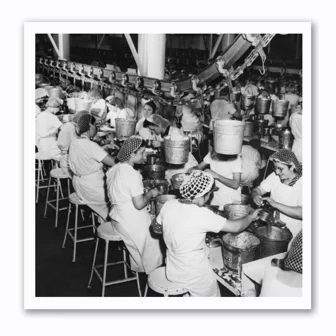 Between 1940 and 1945, women’s presence in the labor force grew by more than 50%, from 11.9 million to 18.6 million. Women’s employment was seen as vital and patriotic. By 1945, nearly one out of every four married women worked outside the home. New jobs opened for women, and the aviation industry saw the greatest increase in female workers. In 1943, 65% of the industry’s total workforce was female, compared to just 1% prior to the war.
 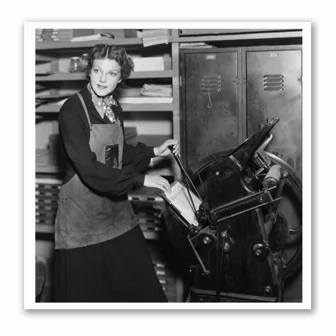 Lack of childcare was another issue that many women faced. In England, the government provided support for working mothers during the war, but the U.S. did not. Children were left at home by themselves or with older family members while mothers went to work in the war plants. For mothers, this was a no-win situation as they would be considered unpatriotic if they didn’t work and bad mothers if they did.
  “My father, Braxton Cutchin, and I founded the company in 1996. After being in the PEO and HR world for 25 years, I have experienced firsthand the value we can provide to both the clients and the employees. It is truly a win for all parties. I’m proud to have helped establish Propel HR as an industry forerunner in the Southeast. There is nothing I love more than receiving phone calls from clients who seek my advice as a trusted advisor. This is a business where I feel that I can help others, and that is important to my own value.”
 In addition to staying on top of new and changing employment laws and regulations at the federal level, many state and local governments have their own rules — which makes staying compliant even more of a challenge if you have employees working in different states. According to a recent survey, only one in four businesses are confident about their knowledge of current employment laws and regulations at the federal (23%), state (26%), and city/county (29%) levels.
 However, high-quality benefits are expensive and often out of reach for most small businesses. One way to lower health plan costs and enhance benefits at the same time is with the help of a PEO. Because of a PEO’s ability to group employees of small businesses into one larger pool as a way to negotiate better health plans at lower rates, employers are able to offer top-rated health insurance plans and enterprise-level benefit packages similar to those only available to large corporations.
  For example, studies show that companies that partner with a PEO to outsource non-core services save
  Many New Deal programs helped women, including widows, the unemployed, and the aged, but there was still inequality. There was still the common perception that women’s work was not as important, and in fact, during the Depression, some viewed women as part of the problem, taking jobs that might have gone to unemployed men. A 1936 poll asked if a family needed the money, should a woman be able to keep a full-time job, and amazingly only 35% said yes. To put that another way, 65% felt that a woman should NOT be able to keep her job even if her family was in need.
  The 1930s saw a spike in laws that discriminated against married women. The 1933 Federal Economy Act even ruled that if a married couple was employed by the federal government, then one spouse must resign. The rule did not specify the woman, but it was understood that the wife was expected to resign. To ensure that couples did not try to cheat this rule, women were required to take their husband’s name when married. Eleanor Roosevelt spoke out against this law, arguing that government salaries were so low that a family needed two incomes to get by.
 Former Mississippi legislator, Ellen Woodward, managed the Women’s and Professional Projects of the WPA, which helped employ approximately 450,000 women. Many people were against government-funded jobs or relief for women stating that women should stay home and not steal jobs from men. Yet, as a widow and single mother, Woodward knew the importance of the programs she promoted. As she eloquently stated, “every time a woman is removed from the humiliation of a breadline, and given work to do, a home somewhere becomes more secure.” The WPA launched many successful programs, but not all women were eligible. Only one member of a household could qualify, and women had to prove themselves as the head of the household. If the husband was physically able to work, then he was considered the head of the household regardless of his ability to find a job.
  “My father, Braxton Cutchin, and I founded the company in 1996. After being in the PEO and HR world for 25 years, I have experienced firsthand the value we can provide to both the clients and the employees. It is truly a win for all parties. I’m proud to have helped establish Propel HR as an industry forerunner in the Southeast. There is nothing I love more than receiving phone calls from clients who seek my advice as a trusted advisor. This is a business where I feel that I can help others, and that is important to my own value.”
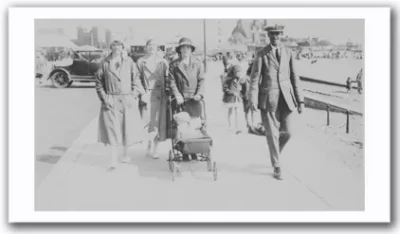 There was a societal belief that a man’s income was the family income, and therefore there was no need for married women to have a job. Black families did not have that luxury, and married black women continued to work outside of the home due to financial necessity.
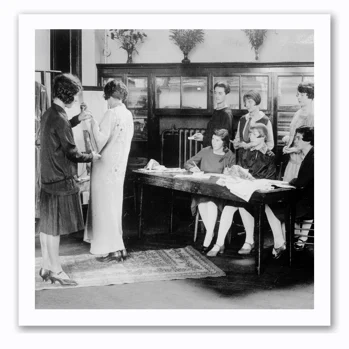 Buying Power of Women is Recognized. Consumerism increased in the 1920s. Household appliances, cosmetics, and clothing advertisements targeted women, and working women used their financial independence to buy these goods. An advertisement in the Chicago Tribune expressed that “Today’s woman gets what she wants, the vote, slim sheaths of silk to replace voluminous petticoats, glassware in sapphire blue or glowing amber, the right to a career, and soap to match her bathroom’s color scheme.” Consumerism also brought about new career opportunities. Department stores in the 1920s hired women in large numbers to sell products and to work as buyers and designers.
 With that in mind, it was only natural for women to be paid less than men. Cultural norms persisted, and most Americans approved of paying men higher wages for the same job, and most agreed that women should not work once married. This societal ideal of the American family was far from the truth. Many women needed to work to help their families put food on the table, and many women were the sole breadwinners. Unequal treatment in the workplace was detrimental to many households.


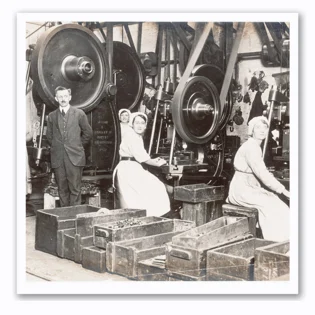
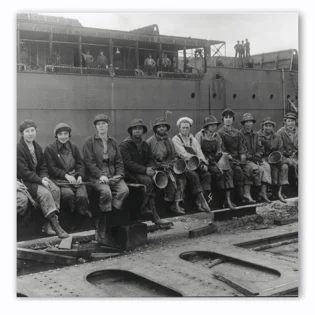
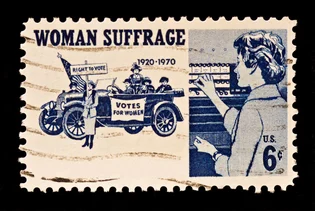 Even though women had won the right to vote, and the government saw the need for policies that helped women, traditional roles still prevailed. As men returned home from the war, tensions rose over the new gender roles. It was difficult to go back to the traditional norms of the past, and there was increased anxiety surrounding women’s new power in the homes and workplaces. The war seemed to have brought new independence for women; however, it was limited independence.

 Depending on the action, expense and event recorded, the IRS recommends that small business owners should keep
 The filing by eligible employers of the
  During the pandemic, many companies allowed their employees to work remotely. If you have remote workers, there may be important areas to consider such as new state laws to learn, different required labor posters and changes to Workers’ Comp insurance. If you plan to continue this practice, contact your Workers’ Comp broker to determine if adjustments are needed to cover additional exposure for remote workers.
 If you need help, give us a call at (800) 446-6567 or to learn more, visit



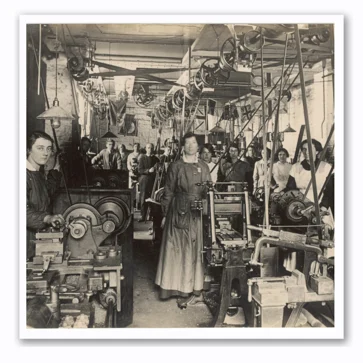 I became immersed in the history of women in the workforce. The data, the laws, and the cultural views helped create images of women who are tough, hardworking, and persistent – women who fought for their families, as well as their own interests. Women who have learned, endured, succeeded, and failed.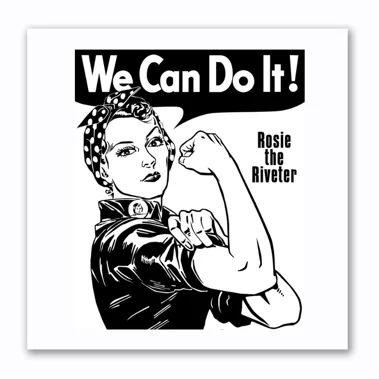

 And a 2021 workplace survey found that more than half of senior managers surveyed said that their company had
  According to a recent study, 94% of employees surveyed say they would remain at their job if their employer would invest in their development and provide training opportunities. Look for ways to ensure employees have access to necessary training, resources, tools, and support to grow and perform their jobs successfully.