These tasks shouldn’t take up your workweek. But when systems fall short, they do. If you’re a small or mid-size business owner or HR leader, you probably didn’t get into this role because you love tracking down time-off requests, chasing signatures, or answering the same benefits question 14 times.
And yet… here we are.
Studies show that small business owners spend about 16 hours (or two full days) per week on HR-related administrative work.
Most businesses lose valuable time to the slow drip of small, repetitive “this will only take a minute,” tasks that quietly eat up the workweek. Add them up, and suddenly your strategic HR goals, like recruitment, retention, and leadership development, get pushed aside.
Here are some of the most common areas that may be draining your time.
Time-Consuming HR-Related Tasks
They seem small. But over time, these tasks drain your attention, your energy, and your progress.
1. Repetitive Tasks and Rework
Every time you hunt down a missing signature or resend login details, you lose time you could be using elsewhere. The common offenders? Answering the same employee questions over and over:
“How do I add my baby to insurance?” “When do benefits start?” “How many PTO days do I have left?”
Sound familiar?
Individually, these are quick answers. Collectively? They’re a constant interruption machine. When you stop to respond, you lose focus, break momentum, and push higher-value work further down your list.
🛠️How To Fix It:Uncover the pain points.Which areas are bogging down the process due to repetition? Where can you create a self-service culture? This can mean establishing a simple internal HR hub (in your intranet, shared drive, or HR platform), short FAQs on benefits, PTO, payroll timing, and onboarding, or short videos that walk through routine processes.
Then, train employees to go there first. When someone asks a repeated question, send the link along with your answer. Over time, behavior shifts. HR becomes a source, not a help desk.
2. Correcting Payroll Errors
The latest software makes running payroll seem easy, but if something goes wrong, the liability is still yours. Miscalculating pay, outdated tax information, and manually tracking time off are time-consuming to fix, hard to catch, and expensive if you don’t, not just in terms of costs but also in lost time and eroded trust among your workers.
🛠️How To Fix It:Automate what you can.Look for tools that let employees request time off directly, route approvals to managers, automatically update balances, and sync with payroll.
When automation handles the basics, HR shifts away from data entry to policy guidance. You’ll still handle exceptions, but you won’t be stuck crunching numbers late at night.
Or leave it to the experts by outsourcing payroll to an IRS-certified PEO. A PEO can simplify the payroll process with a cloud-based payroll portal for employers, online employee access to pay stubs, W-2s, benefits info, employee handbooks, and secure, paperless direct deposits. They can also take care of onboarding, payroll taxes, IRS deposits, benefits administration, compliance guidance, and provide HR support.
3. DIY Compliance Monitoring
Labor laws change constantly. Posting requirements update. Salary thresholds shift. Leave laws multiply. Keeping up with shifting deadlines, state-level compliance requirements, and studying the IRS’s recently updated guidance under the One Big Beautiful Bill Act. Trying to monitor all of this yourself is not only time-consuming – it’s also stressful.
One misstep can be costly. In 2025, the Department of Labor’s Wage and Hour Division recovered more than $259 million in back wages for nearly 177,000 employees. That’s an average of $1,465 per worker (the most since 2019).
🛠️How To Fix It:Don’t carry compliance alone.Get expert help by partnering with a professional. Whether it’s through a PEO, outside counsel, or a compliance partner, get support that keeps you updated on requirements that apply to your business.
You’ll need advice on tricky employee situations, alerts on multi-state regulatory changes, new pay transparency rules, evolving paid leave requirements, changing wage-and-hour laws, new employment-related laws on AI, and much more.
🚀 Pro Tip: Stay compliant with our HR Checklist covering the latest updates and deadlines related to compliance, benefits, payroll, and general HR that you need to take care of each quarter. Download your free HR Checklist ➡️ HERE
4. Updating Employee Data in Multiple Places
Name changes. Address changes. Promotions. New pay rates. If you’re entering the same update into payroll, benefits, retirement platforms, and internal trackers, you’re doing triple-plus work and increasing the chance of errors.
🛠️How To Fix It:Integrate your systems, invest in HR technology, or work with a PEO. A unified HR platform can help connect payroll, benefits, time tracking, and employee records, among other things.
With better integration, changes flow through automatically. That means fewer entries, fewer errors, and more free time.
5. Handling Every Employee Issue Personally
When you’re the only go-to for every conflict, complaint, or issue, your day gets hijacked fast. Some things absolutely belong with HR. But many could be resolved earlier and better by trained managers.
🛠️How To Fix It:Upskill your managers by teaching them to give feedback,handle minor conflicts, anddocument specific issues. This doesn’t remove HR from the process; rather, it elevates the role, moving them from firefighter to advisor.
Stop the HR Busy Work, Amplify Your Impact
Normalizing HR busy work has real consequences, including burnout. Your top performers may feel overwhelmed by constant overtime or pressure to meet demands. It also creates dependence on key team members, making it difficult to delegate when only a few people hold essential knowledge or responsibilities.
Maintaining inefficient processes limits growth, slows project delivery, and prevents your team from focusing on strategic initiatives.
🛠️How To Fix It: Partnering with an IRS-certified PEO can help. By taking on time-consuming tasks, PEOs help small businesses get back more time to focus on productivity and growth.
In addition to saving time, a PEO can also save your business money by identifying inefficiencies, streamlining HR processes, and helping you make critical cost-cutting decisions.
If you constantly feel behind, the fix isn’t more hustle. It’s better tools, clearer processes, and the right support. A PEO can help you stop the small stuff from piling up, so you can invest your time where it matters most. And if you need help, just give us a call at📱 800-446-6567
Find Out What a PEO Can Do for You
If you’re a small to mid-sized business, a PEO can lighten your workload and strengthen your operations. Imagine focusing on growth while experts handle your payroll, taxes, benefits, HR, and compliance.
⬇️Read more about the advantages of working with a PEO in our series:
🔷 HELP WANTED: HR Team or PEO Partner
Investing in an HR team versus partnering with a PEO, which path is best for your small business? As your business grows, managing HR gets complicated – fast.
Should you build your own HR team or explore the benefits of partnering with a PEO? Here’s how to decide which choice best fits your business. ➡️Link #1Link #1Read More
🔷 NEW RESEARCH: More Small Businesses Are Turning to PEOs
Compelling research from the National Association of Professional Employer Organizations (NAPEO) shows that PEOs are helping small businesses scale – a game-changer in 2026.
Working with a PEO isn’t about outsourcing; it’s about upgrading how you manage HR. It’s about investing in smarter growth, happier employees, and peace of mind. In a business world that’s only getting more complex, that’s a benefit worth having on your side. Thousands of successful businesses are already doing it – and the data proves it works. ➡️Link #2Link #2Read More
IT’S HERE!
Your FREE HR Checklist
Here’s your checklist of important tasks related to payroll, benefits, compliance, and general HR.
About Propel HR.Propel HR is an IRS-certified PEO and a leading provider of human resources and payroll solutions for 30 years. Propel partners with small to mid-sized businesses to manage payroll, employee benefits, compliance and risks, and other HR functions in a way that maximizes efficiency and reduces costs. For more information, visit propelhr.com
Productivity is the secret sauce that separates teams stuck on the sidelines from those with winning streaks. Chances are you’re juggling hiring, compliance, benefits, culture, and about a dozen other priorities . . . all while the clock keeps ticking.
Your power play? Outsourcing. When used strategically, it boosts productivity, streamlines operations, and frees you up to focus on what actually moves the scoreboard – your bottom line.
First Quarter: What Productivity Really Means
In HR, productivity isn’t about sprinting faster – it’s about running the right plays at the right time.
True HR productivity means delivering meaningful outcomes with minimal wasted effort. Speed matters, sure, but impact matters more.
Fast hiring doesn’t matter if turnover remains high. Smooth payroll is great . . . unless errors keep forcing replays.
At its core, productivity is about consistent, high-quality execution that supports your business year-round.
Here’s the basic stat line. The fundamental formula HR teams use looks like this: Productivity = Total Output / Total Input.
🎯Stronger Compliance Defense. Mistakes lead to fines, audits, and penalties – that’s expensive. Productive HR keeps risk off the scoreboard.
🎯Scoring Efficiency. In the Red Zone, the stakes are high, and scoring opportunities significantly increase. When your HR team isn’t buried in paperwork, they can make a more strategic impact by focusing on culture, performance, and growth.
🎯Leadership Trust. HR shifts from order-taker to trusted partner.
The results? A productive HR function is the engine that keeps your people – and your business – moving forward.
The Stats Don’t Lie: Proof from the League
The data backs it up:
➡️Flexibility & Remote Work. A Gartner report finds that 43% of employees working flexible hours say they are more productive. Gallup found that fully remote workers report the highest engagement levels.
➡️Engagement Matters. Highly engaged teams are 17% – 21% more productive than disengaged ones.
➡️The Productivity Gap. Top-tier companies grew more productive, while others saw declines due to inefficient collaboration and low engagement.
🎯Winning teams don’t guess; they measure, adjust, optimize, and power up.
The Box Score: Common HR Productivity Metrics
To know how your team is performing, you need the right stats:
📊 Output Metrics. Revenue per employee, output per hour, goals completed vs. assigned
📊 Efficiency Metrics. Time spent per task, employee utilization
📊 Quality Metrics. Accuracy and impact, not just speed
📊 Engagement Indicators. Engagement scores and absenteeism.
📊 Financial Metrics. Total Cost of Workforce (TCOW)
These numbers tell you whether your plays are working and what needs to be redesigned.
A PEO helps improve productivity by offloading time-consuming tasks while strengthening the entire employee lifecycle through MVP expertise and next-level HR tech.
🔥Think of it as adding multiple Tom Bradys to your roster.
THE GAME PLAN
Play #1: Reallocate Resources to Core Strengths
The fastest productivity gain comes from freeing your teams from admin overload. By outsourcing, you get:
✅Time Savings. Business owners can spend 20+ hours per month on HR admin-related tasks. Outsourcing frees up time for growth, sales, and strategy.
✅Administrative Relief. Payroll, benefits enrollment, and multi-state compliance tasks move off your plate and into expert hands.
✅A Team of MVPs. Outsourcing gives you access to a team of pros, ready to help when you need it.
Play #2: Build a Deeper Talent Bench that Flexes
An engaged workforce is naturally more productive.
💼 Lower Turnover. Companies using PEOs see 10%–14% lower turnover, reducing disruptions and retraining time.
💼 Big-league Benefits. PEOs provide access to Fortune 500-level benefits, boosting satisfaction and engagement.
💼 Faster Onboarding. Streamlined onboarding helps new hires get in the game.
Play #3: Upgrade Your Tech Stack
PEOs give small and mid-sized businesses access to advanced HR technology without the big-ticket price tag.
📊 Automation.Payroll and tax automation reduce errors and time-consuming fixes.
📊 Employee Self-service. Employees handle PTO, pay stubs, and benefits updates themselves with fewer interruptions for HR.
Play #4: Strengthen Your Compliance Defense
Compliance isn’t optional and managing it internally can drain focus fast. With a PEO on your team, you get:
🛡️Expert Guidance. A team of HR pros helps prevent fumbles and penalties. PEOs stay on top of federal, state, and local regulations, including ACA and FMLA.
🛡️Safety Programs. Proactive safety audits reduce workplace incidents and business disruption.
Play #5: Win on the Scoreboard
All these efficiencies lead to real, measurable stats:
🏆Faster Growth. Businesses using a PEO grow 7% – 9% faster than those that don’t. And are 50% Less Likely to Go Out of Business
💥That’s not just a win – it’s a blowout. It’s the stuff championships are made of.
FINAL CALL: Make Productivity Your Winning Play!
How far can you go? Productivity isn’t a one-time drill – it’s a GOAT mindset.
When you measure what matters, optimize repetitive work, and outsource strategically, you’re not just working faster . . . You’re working smarter. That’s for legends.
🔥Outsourcing is no rookie move. It’s a strategic productivity partner that helps HR shift from scrambling to scoring. And keeping that winning streak hot.
Ready to Turn HR into a Powerhouse?
Ready to hear your crowd ROOOAAARRR? 🎉 This power playbook is your first step.
➡️If you need some coaching or a huddle about your productivity game plan, we’ve got you all the way to the Super Bowl winning streak and beyond – just give us a call.
IT’S HERE!
Your FREE HR Checklist
Here’s your checklist of important tasks related to payroll, benefits, compliance, and general HR.
About Propel HR. Propel HR is an IRS-certified PEO and a leading provider of human resources and payroll solutions for 30 years. Propel partners with small to mid-sized businesses to manage payroll, employee benefits, compliance, risk, and other HR functions in ways that maximize efficiency and reduce costs.
To learn more, visit propelhr.com
If you run a small or midsize business, you already know growth is exciting, yes — but also unpredictable, and sometimes overwhelming. That’s exactly why more business owners and HR leaders are choosing Professional Employer Organizations, or PEOs, not just to outsource HR tasks, but to grow smarter, faster, and more sustainably.
The Top 10
A PEO helps you scale without letting the behind-the-scenes stuff collapse under the weight of bigger payrolls, more onboarding, greater compliance risk, and higher employee expectations. It’s like adding an entire HR department overnight, minus the overhead and recruitment scramble. A few advantages include:
1. You Get HR Infrastructure Before You Actually Need It (Which Is Exactly When You Need It)
Most small businesses don’t feel the pain of HR complexity until it’s too late. Payroll errors start multiplying, employees want benefits you’re not equipped to provide, and suddenly you’re Googling state labor laws at 11:30 p.m.
A PEO lays the foundation before those cracks show. Payroll scales without drama. Whether you have 10 people or 110, payroll stays smooth, compliant, and on time.
Onboarding becomes a real process and not a scramble. Templates, checklists, digital forms, background screening, and automated workflows ensure consistency as you grow.
Policies adjust proactively. A PEO helps you build employee handbooks, update them with new laws, and create clear rules that reduce risk as your headcount increases.
2. A PEO Delivers the Big-Company Benefits Employees Want
Here’s the part that often surprises business owners: a PEO can give you access to benefits packages typically reserved for much larger companies.
Because a PEO pools together employees across its client base, you essentially get to “buy in bulk,” accessing high-quality benefits at lower rates. That means you can offer your team robust health plans, retirement savings options, and other top-tier benefits typically reserved for larger companies (and top talent expects).
🎯When employees enjoy comprehensive benefits without compromise, your company is seen as a long-term career option. Retention rises, and as every HR pro knows, that’s a growth strategy.
3. Compliance Stops Being a Guessing Game
Growth = risk. New states. New regulations. New employment laws. New reporting requirements.
This is where many small businesses unintentionally step into danger territory. The rules change constantly and the stakes are high.
✅They track federal, state, and local employment laws.
✅They help maintain the required documentation.
✅They ensure new hires are classified correctly.
✅They reduce risk with structured workplace policies.
✅And because of the co-employment relationship, many PEOs also share certain administrative responsibilities – meaning you’re not alone if something goes sideways.
🎯Growing is risky. Growing without compliance support? That’s gambling.
4. HR Technology You Don’t Have to Build Yourself
Scaling is smoother when everything is connected, such as payroll, onboarding, PTO tracking, benefits enrollment, performance management, and reporting. But building your own HR tech stack or licensing multiple vendors gets expensive fast.
🎯A PEO delivers the all-in-one HR command center designed for your business. Better data, better workflows, better decision-making.
5. A PEO Frees Up Time (A Lot of It)
If you’re a business owner, your job is to grow the business, not troubleshoot payroll deductions. If you’re an HR manager, your job is to support the people strategy, not drown in admin work.
A PEO takes on repetitive, time-consuming tasks, such as processing payroll, managing benefits, handling tax filings, and preparing compliance documentation. The more you grow, the more time you reclaim, instead of watching your workload escalate with each hire.
6. You Gain a Team of HR Experts Without Expanding Your Staff
Growing companies don’t always have the luxury of immediately hiring a full HR team — HR generalists, benefits specialists, payroll administrators, compliance officers, recruiters, risk managers, the whole lineup.
A PEO gives you access to exactly those roles, on-demand expertise, without the full-time salary load.
Need help rolling out a new PTO policy? Preparing for benefits renewal? Handling a sensitive employee relations issue? There’s an expert for that. It’s like having a seasoned HR department already onboard, ready to advise you every step of the way.
7. You Become More Attractive to Investors and Partners
Here’s something entrepreneurs don’t always think about: investors love operational maturity. When a PEO is part of your infrastructure, it signals you’re compliant, manage risks well, your HR processes are stable and that you can scale responsibly.
🎯For investors, lenders, and potential partners, a strong HR foundation = reduced risk. And reduced risk makes you a better bet. For acquisitions and rapid growth phases, a PEO can also make integration smoother.
8. A PEO Helps You Build a Better Employee Experience
Growth doesn’t just require more people; it requires keeping the good people you already have on board.
A PEO helps you:
✅Improve communication and access to information.
✅Build modern HR processes that employees trust.
✅Provide competitive benefits
✅Create fair, consistent workplace policies.
🎯A better employee experience leads to lower turnover and higher morale. And in high-growth companies, stability is gold.
9. You Can Expand Into New States With Confidence
Need to hire employees in another state? That’s great for growth, but it creates compliance challenges due to different tax rules and labor law requirements.
🎯A PEO handles all of it, letting you recruit the best talent in any location without losing sleep or risking penalties.
10. You Scale Strategically
Growth can stress your business when operations lag behind headcount. A PEO aligns both, so you’re expanding strategically.
🎯The result? Smooth transitions. Predictable costs. Cleaner processes. Less risk. Happier employees. And more time to focus on what actually grows the business — not on what slows it down.
Growth Is Easier ➡️When You’re Not Doing Everything Yourself
If you’re preparing to scale — or even thinking about it — the question isn’t whether you can handle growth alone. It’s whether you should.
With a PEO, growth is a plan.
A PEO delivers the infrastructure, expertise, and stability that power growing companies, without requiring a major investment or a staff increase.
Ready to see what a PEO can do? We can lighten your workload and help you drive growth, just give us a call at (800) 446-6567 or visit propelhr.com
🎯PEO Series: The PEO Difference🎯
Learn more about how a PEO can help your business in our series:
🔶HR Help Wanted: In-house Team or PEO Partner. Investing in an HR team versus partnering with a PEO, which path is best for your small business? As your business grows, managing HR gets complicated – fast. Should you build your own HR team or explore the benefits of partnering with a PEO? Here’s how to decide which choice best fits your business. Read More
🔶Navigating Compliance Minefields. Navigating HR compliance can feel like tiptoeing through a minefield — one wrong move can trigger costly consequences. From pay transparency laws to overtime thresholds, new regulations evolve faster than most small HR teams can keep up with. Here’s a look at the top HR compliance challenges and how to avoid turning small missteps into expensive lessons. Read More
🔶New Research Shows Why More Small Businesses Are Turning to PEOs. The data is in! And it shows how partnering with a PEO will be the smartest move for small businesses in 2026. Recently released research from the National Association of Professional Employer Organizations (NAPEO) shows that PEO partnerships are helping small businesses scale. It’s smarter, more efficient, and a game-changer. Here’s what the latest data shows. Read More
IT’S HERE!
Your FREE HR Checklist
Here’s your checklist of important tasks related to payroll, benefits, compliance, and general HR.
About Propel HR. Propel HR is an IRS-certified PEO that has been a leading provider of human resources and payroll solutions for more than 25 years. Propel partners with small to mid-sized businesses to manage payroll, employee benefits, compliance and risks, and other HR functions in a way that maximizes efficiency and reduces costs. For more information, visit www.propelhr.com
On January 6th, a violent mob stormed the U.S. Capitol in an attempt to overturn the Presidential election. Five people died, including a Capitol Police officer, and many were injured. Americans watched on TV as the violent mob damaged property and bragged about taking over the chambers. On social media, videos of the chaos inside the Capitol quickly surfaced, and Americans were horrified to see the rioters taking selfies, parading with the confederate flag, and desecrating property.
On January 7th, some of the individuals present at the Capitol riot were fired from their jobs. Once employers identified employees participating in such acts, they felt that they had no other alternative than to terminate employment. In today’s highly charged political environment, where is the line between freedom of speech and job security? The First Amendment to the U. S. Constitution protects the freedom of religion, freedom of speech, freedom of press, and the right to peacefully assemble and petition the government. But to what extent does this freedom apply to the workplace?
In general, the First Amendment applies to employees in the public or government sector, but it does not apply to those working in private organizations. However, there are some gray areas that can be confusing and risky.
Here are some guidelines to help you navigate this potentially charged matter:
Be informed. As an employer, understand what laws apply to free speech and employment, including federal, state, and local regulations. Seek counsel when making any employment decisions.
Ask the right questions. Does the employee’s speech relate to the terms and conditions of employment? The National Labor Relations Board (NLRB) protects free expression concerning employment conditions such as working conditions, safety, and wages. For example, if a healthcare employee posts that they do not feel safe in their workplace because of the lack of personal protective equipment, the speech is likely protected, and the employer cannot prohibit it.
Engage with HR. If employee speech rises to the level of discrimination or harassment, Human Resources should be involved. Discriminatory speech is not protected, and divisive political speech can easily cross the line into discrimination or a hostile work environment.
Ensure safety. An employer has the responsibility to provide a safe work environment. If an employee incites violence, communicates a threat, or commits a crime, they are not protected under the First Amendment. Proper measures and communication with authorities must be taken.
Review and update policies. It is important that the company handbook is updated regularly and that staff and managers understand the policies. Does your handbook exclude political discussion at work? Is it consistently enforced? Do you have a social media policy, harassment policy, and non-discrimination policy? Have they been updated, and are they state specific?
Most importantly, proceed with caution. Our world is very divided right now, and the proliferation of images on social media can cause people to react without thinking. I encourage employers to review all the facts and seek HR or legal advice when making such decisions. Employees also need to understand that their actions outside of work may cause repercussions to their job.
The First Amendment is one of the most sacred parts of our Constitution. Freedom of speech is a cornerstone of our democracy. While we must protect this right, it is also important that we understand where and when the First Amendment applies. The rioters who entered the Capitol on January 6th crossed a line, and in today’s viral world, their actions have consequences.
Propel HR President Lee Yarborough was recently elected Chair of the National Association of Professional Employer Organizations (NAPEO) Board of Directors. She spoke with PEO Insider magazine to share where she thinks the industry is headed and how NAPEO can continue to grow. Download a pdf version of the full interview: A Passion To Serve
About Propel HR. Propel HR is an IRS-certified PEO that has been a leading provider of human resources and payroll solutions for 25 years. Propel partners with small to midsized businesses to manage payroll, employee benefits, compliance and risks, and other HR functions in a way that maximizes efficiency and reduces costs.
The past two years have changed the way we do business and, as a result, driving customer needs and expectations to a new level. What do customers expect today? And how should employers respond? Looking ahead, here are a few important trends.
Prepare to Increased Speed. During the pandemic, employers were faced with unprecedented challenges and forced to adapt in order to survive. The uncertainty and change tested customer service teams’ ability to evaluate their customer’s shifting pain points and respond with solutions at lightning speed. Experts say that businesses can expect more of the same in the year ahead.
More Focus on Customer Success. Customer service has moved past problem solving. Employers will need to combine the traditional aspects of customer service – responding and answering questions – with a focus on overall success. Well-rounded teams will be key to helping customers reach desired outcomes at every stage of a relationship.
Acceleration of Technology. During the pandemic, customer service became more crucial as companies adapted and explored new tools and ways to use technology to respond to customers’ needs. A recent McKinsey study reported that businesses accelerated their digital strategies from 5 years to just 8 weeks due to Covid-19. From digital automation to social media messaging, now is the time to reassess your technology capabilities and explore innovative ways to elevate and drive customer relationships.
Customer Service Becomes More Personalized. While experts, customers will manage more of their interactions without ever connecting with a human, nothing replaces the value of connecting with a person. Investing in training and soft skills will be powerful for increasing the customer service experience.Data-driven Service. Studies show that consumers feel more comfortable with sharing their data if they trust it will be used responsibly. This presents an opportunity for increased transparency between a business and consumer and an opportunity to create a personal customer experience.
Remote Support as a Long-term Strategy. According to several studies, business leaders believe the rise of remote working will shift customer service centers to work from home long-term. As customers continue to demand accessible, high-quality support, employers will have to deliver and invest in remote support technology, skills training, and empower remote customer service employees with the power to make decisions.
Is Your Customer Service Ready For What’s Ahead?
A customer service-focused approached will be a necessary strategy for the future. Taking advantage of new tools and strategies to strengthen your customer service capabilities will help your business stay ahead.
Propel HR President Lee Yarborough was recently elected Chair of the National Association of Professional Employer Organizations (NAPEO) Board of Directors. She spoke with PEO Insider magazine to share where she thinks the industry is headed and how NAPEO can continue to grow. Download a pdf version of the full interview: A Passion To Serve
About Propel HR. Propel HR is an IRS-certified PEO that has been a leading provider of human resources and payroll solutions for 25 years. Propel partners with small to midsized businesses to manage payroll, employee benefits, compliance and risks, and other HR functions in a way that maximizes efficiency and reduces costs. For more information, please visit our new website, www.propelhr.com.
Job classification codes, experience Mods, risks factors, industry rating systems, and other variables – determining your Workers’ Comp premium can seem complicated. Once you understand the basics of how premiums are calculated, it’s easier to identify areas where you can control costs. Here’s how it works. Read More
When faced with an employee departure, it’s important to have a process in place to ensure a smooth transition for both the employee and your business. Here are 6 important areas every employee exit plan should include. Read More
Employment laws and regulations for record-keeping are constantly changing, and add to that, federal, state, and local agencies have separate mandates for managing employment records. Staying in compliance with record-keeping requirements it’s just one of many time-consuming (and confusing) areas that can take you away from running your business. Here are a few helpful guidelines for record-keeping. Read More
While company executives and HR professionals don’t always share the same point-of-view, they do share the common goal of a successful business. To promote growth, reduce risks, and improve the company culture, Human Resources should be part of the team and have a seat at the table where business decisions are made. Here’s how to communicate the value of HR to business leaders. Read More
Your HR team is at the front of a wide variety of complex workforce issues that could impact your business in 2021. To help, we’ve made it simple with a checklist highlighting some of the most important HR tasks related to payroll, benefits, and compliance, and more for first quarter of 2021. Read More + Download Your FREE HR Checklist for Q1 2021
Can a PEO Help Your Business?
Absolutely. PEOs do much more than administering payroll and benefits. It’s also about a personal relationship and helping businesses thrive and survive. While the pandemic continues to present new challenges in the new year, you don’t have to face making tough decisions alone. A certified PEO, like Propel HR, can help by recommending ways to reduce risks, save money, and prepare your business for a successful 2021.
Propel HR President Lee Yarborough was recently elected Chair of the National Association of Professional Employer Organizations (NAPEO) Board of Directors. She spoke with PEO Insider magazine to share where she thinks the industry is headed and how NAPEO can continue to grow. Download a pdf version of the full interview: A Passion To Serve
Propel HR is an IRS-certified PEO that has been a leading provider of human resources and payroll solutions for 25 years. Propel partners with small to midsized businesses to manage payroll, employee benefits, compliance and risks, and other HR functions in a way that maximizes efficiency and reduces costs.
Your HR team is at the front of a wide variety of complex compliance and workforce issues that could impact your business in 2021. We’re here to help with a checklist highlighting some of the most important HR tasks, related to payroll, benefits, and compliance, to address in Q1.
Payroll & Tax
1. File W-2 and Other Wage Statements. Employers electing to defer Social Security tax must file Form W-2 by Feb. 1, 2021, to avoid penalties. Form W-2 must reflect only the amount of Social Security tax withheld from 2020 wages, and a Form W-2c will need to be issued if 2020 Social Security tax is withheld in 2021.
2. Prepare Tax filings for Nonemployee Compensation. By Feb. 1, 2021, businesses must distribute a Form 1099-NEC to individuals who received more than $600 in payments during 2020. Additional copies must be submitted to the Social Security Administration at the same time. For miscellaneous income such as rent or payments to an attorney, businesses must distribute a Form 1099-MISC to recipients by February 1, 2021 and send corresponding copies to the IRS by March 1 if filing by paper and March 31 if filing electronically.
3. Prepare FICA and FUTA forms. IRS (FICA) Form 941 for Q4 and federal unemployment tax (FUTA) Form 940 are due Feb. 1, 2021. However, if you deposited all FUTA tax when due, you have until Feb. 10, 2021, to file. If you claim certain nonrefundable tax credits, review updates on Form 941 for reporting tax liabilities.
4. Prepare ACA Reporting. Under the Affordable Care Act (ACA), the responsibility for affordable healthcare coverage is on the employer and reporting requirements depend on the number of full-time equivalent employees (FTEs). Employers with 50 or more FTEs last year are considered an Applicable Large Employer (ALE) for the current year. If your company is an ALE, verify that your health plan meets all ACA requirements for coverage and affordability.
The deadline for applicable employers to distribute Form 1095-C to employees for the 2020 tax year is March 2, 2021. Forms 1094-C, employee coversheet, and 1095-C must be filed by March 1, 2021, if filing by paper, and March 31, 2021, if filing electronically. Also, check with your benefits broker for any changes in reporting, and that required annual notices are distributed to employees, such as Medicare Part D, HIPPA, and CHIPRA.
Compliance
5. Review Updated DOL Rule Clarifying Pay Rate Calculations for Piece-Rate Workers. Employers may calculate the regular rate of pay for employees paid on a piece-rate basis — for example, those paid per unit of production rather than a period — by dividing the employee’s earnings by the number of hours worked in a workweek, including both productive and nonproductive hours.
6. Clarify Independent Contractor Status. Employers should keep a close watch in early 2021 on a proposed DOL rule that would impact the definition of an Independent Contractor vs. Employee. Misclassification in this area may result in significant penalties and fines.
7. Schedule Required Compliance Training. Check all required federal, state, and industry workplace training requirements that apply to your business, as well as workplace training mandated in your state. If COVID-related training is not required in your state, consider workplace training consistent with OSHA and CDC guidelines.
8. EEO-1 Data Collection Deadline Extended. Due to the active pandemic, the Equal Employment Opportunity Commission (EEOC) announced that it would delay the collection of 2019 EEO-1 Component 1 and 2020 EEO-1 Component 1 data until March 2021. EEO-1 data requires applicable employers to submit information such as the number of employees, sorted by job category, race, ethnicity, and gender.
9. Check OSHA Record-Keeping Requirements and Update Workplace Postings. Applicable businesses, with 10 or more employees, are required to post OSHA Form 300A, summary workplace injuries and illnesses, every year from February 1 until April 1. Note that the employee count includes employees at all business locations combined.
10. Evaluate Your Paid Sick Leave and Family & Medical Leave Program. Audit your employee count to determine if you are required to comply with the Family and Medical Leave Act (FMLA) in 2021. FMLA entitles eligible employees of covered employers to take unpaid, job-protected leave for specified family, medical and military reasons. Also, stay up to date with COVID-related provisions and possible extensions under the Family First Coronavirus Response Act.
Benefits
11. Review Your Workers’ Comp Policy. Contact your Workers’ Comp insurance broker to determine if adjustments need to be made to cover additional exposure for remote workers.
Also, review if any changes in your work environment or changes in staff work assignments might have an impact on your exposure and codes currently on your account.
12. Medicare Part D Disclosure. If you provide prescription drug coverage to Medicare-eligible individuals, you must also disclose to the Centers for Medicare and Medicaid Services (CMS) annually whether the coverage is creditable or non-creditable. This disclosure must be made no more than 60 days after the beginning of each plan year.
General HR
13. Monitor State Developments. State laws can vary. If your business has locations in multiple states, be sure to stay up to date on any state-specific changes which may impact your organization, such as minimum wage increases, expanded leave provisions, and posting requirements.
14. Watch for updates on COVID Legislation. Be on the lookout for new COVID relief measures and possibly an extension of 2020 programs, such as Families First Coronavirus Response Act (FFCRA), Coronavirus Aid, Relief, and Economic Security Act (CARES), and other COVID-related programs.
15. Plan Ahead for Employee Appreciation Day. An annual holiday observed on the first Friday in March, Employee Appreciation Day recognizes employees for their commitment and hard work.
On March 5, 2021, make plans to celebrate your most valuable asset – your employees.
Need Help?
Depending on the type of business and industry, your HR Checklist may be different and even more complex. If so, just contact us. By partnering with a certified PEO (CPEO), like Propel HR, you gain access to a team of HR experts to help you navigate the complexities of your business as well as stay compliant.
Please Note: This information is for general reference purposes only. As we continue to work during an active pandemic, laws, regulations, and filing deadlines are likely to change. Please check with the appropriate organizations or government agencies for the latest information and consult your employment attorney and/or benefits advisor regarding your responsibilities. In addition, your company may be exempt from certain requirements and/or be subject to different requirements under the laws of your state. (Updated December 16, 2020)
Propel HR President Lee Yarborough was recently elected Chair of the National Association of Professional Employer Organizations (NAPEO) Board of Directors. She spoke with PEO Insider magazine to share where she thinks the industry is headed and how NAPEO can continue to grow. Download a pdf version of the full interview: A Passion To Serve
Propel HR is an IRS-certified PEO that has been a leading provider of human resources and payroll solutions for 25 years. Propel partners with small to midsized businesses to manage payroll, employee benefits, compliance and risks, and other HR functions in a way that maximizes efficiency and reduces costs.
During the pandemic, especially in the beginning months, employers had to quickly make a number of difficult decisions, such as staffing and applying for PPP loans, in order to avoid disruption of their business. A recent study indicates that those small businesses working with a PEO had the advantage and experienced more successful business outcomes.
Provided PPP Loan Assistance. PEO guidance enabled employers to receive and benefit from their PPP loans before many other comparable small businesses.
Created by the Coronavirus Aid, Relief, and Economic Security (CARES) Act, the PPP loan program helped businesses meet immediate needs by providing a forgivable loan to pay employees and cover business-related costs such as rent and utilities. Initially, the funds were limited, communication was inconsistent, and the application process was more than confusing.
Almost half of the small businesses that applied for PPP loans reported that the PPP loan was critical to their survival and would go out of business without it. PEOs helped their clients through the entire process, from the initial application to making sure the funds were used according to changing federal requirements for loan forgiveness.
Provided Reopening Guidance. Partnering with a PEO is much like gaining access to a full-service HR division, with a team of HR experts who are knowledgeable about employment laws and up to date with changing coronavirus-related regulations. Employers relied on their PEO as a trusted partner for help before reopening and bringing employees back to work safely.
Prevented Costly Compliance Violations. PEOs helped businesses avoid costly coronavirus-related compliance violations. To date, OSHA has issued citations totaling $3.4 million in penalties. Some of the most common violations include failure to train employees on using a respirator and personal protective equipment and not reporting an illness to OSHA.
During the pandemic, businesses faced unprecedented hardship. But those who partnered with a PEO found that they did not have to face it alone. At every step, these employers turned to their PEO for support to help their business survive. As the pandemic continues to present new challenges for employers, the needs of your business have likely changed. A certified PEO, like Propel HR, can help you navigate uncertainty by recommending ways to reduce risks and save money, and prepare your business for what’s ahead.
Propel HR President Lee Yarborough was recently elected Chair of the National Association of Professional Employer Organizations (NAPEO) Board of Directors. She spoke with PEO Insider magazine to share where she thinks the industry is headed and how NAPEO can continue to grow. Download a pdf version of the full interview: A Passion To Serve
Propel HR is an IRS-certified PEO that has been a leading provider of human resources and payroll solutions for 25 years. Propel partners with small to midsized businesses to manage payroll, employee benefits, compliance and risks, and other HR functions in a way that maximizes efficiency and reduces costs.
This New Year’s Eve will be a night to remember! Although we most likely won’t be at any large gatherings, everyone around the world will be celebrating the end of 2020 and the start of a new and promising year. But before you grab your face mask, hand sanitizer, and glass of champagne, make sure that you button up the year properly.
This year has been difficult, and we are all ready to bid it farewell, but there are some practical and business matters that need to be addressed before you can pull out the noisemakers. Here are some items to address in December so that 2021 will start off right.
Prepare for W-2s. Now is the time to ensure you have correct addresses, add fringe benefits, and update systems with any third-party pay. Work with your payroll provider to confirm that everything is ready for an easy January.
Review Benefits and Policies. January is a popular time for new benefits to start. However, remember that employee benefits are more than just health insurance and be sure to consider paid time off, holidays, and other forms of benefits. Also, take time in December to read your employee handbook and confirm that it is up to date and relevant.
Research State Developments. If your business is in multiple states, make sure that you are aware of any changes which may impact your organization such as minimum wage increases, expanded leave provisions, and posting requirements.
Evaluate COVID Impact. The pandemic had a major impact on insurance carriers and state unemployment funds, which can have a direct repercussion on your business. South Carolina has announced that the unemployment tax rates will NOT increase in 2021, which is great news. However, other states may not be able to make such promises. Monitor state laws for how COVID will affect your business from both unemployment insurance as well as workers’ compensation insurance. States have taken varied approaches, which can directly impact your company’s financials.
Expiration of COVID Legislation. The Families First Coronavirus Response Act (FFCRA) provided employees with paid sick leave or expanded family and medical leave for specific reasons related to COVID-19. The Coronavirus Aid, Relief, and Economic Security Act (CARES) provided businesses and individuals with multiple programs to lessen the financial impact of the pandemic. Many of the programs are set to expire at the end of the year. Be on the lookout for new COVID relief measures or possibly an extension of some of the current provisions.
Apply for Loan Forgiveness.If your business received a Paycheck Protection Program (PPP) loan this year, you should apply for forgiveness within 10 months after the last day of the covered period or you must begin the repayment. You have time, but the end of the year is a great time to work with your lender and accountant, compile the necessary information, and determine the best process for forgiveness.
As much as we want this year to be over, it is important to take the time and end the year on a positive note. Now is the time to complete unfinished tasks, review regulatory changes, and prepare for year-end processes. 2020 has been difficult for businesses, communities, and individuals, yet there has been a lot to celebrate as well. Before the year ends, carve out some time to meditate on the year. Focus on the hardships as well as the lessons learned. Then grab a glass of champagne or sparkling cider and get ready to ring in 2021!
Propel HR President Lee Yarborough was recently elected Chair of the National Association of Professional Employer Organizations (NAPEO) Board of Directors. She spoke with PEO Insider magazine to share where she thinks the industry is headed and how NAPEO can continue to grow. Download a pdf version of the full interview: A Passion To Serve
Propel HR is an IRS-certified PEO that has been a leading provider of human resources and payroll solutions for 25 years. Propel partners with small to midsized businesses to manage payroll, employee benefits, compliance and risks, and other HR functions in a way that maximizes efficiency and reduces costs.
Recently we interviewed a candidate for a position on our team. We had previously interviewed her on Zoom and then asked her to come to our office for the final interview. The interview was going well, and there was interest on both sides. Then she asked about the culture at Propel HR. I hesitated for a moment before I answered. As I looked around the socially distant, masked faces in the room, I realized that our culture had changed dramatically in 2020. It was a very good question.
Pre-COVID, the question about our company’s culture was easy to answer. Our team has always been hard-working, but we like to have fun too. Our HR department plans wonderful celebrations and rewards, and there is a sense of comradery that energizes us when we have a major deadline. As a family business, we strive for work-life balance, and employees know that family always comes first. Overall, we have an atmosphere of support and positivity.
Yet I realized how much our culture has changed due to the pandemic. We are back working at the office, but we are isolated behind our masks and behind a screen. Instead of meeting in person in the conference room, we are meeting on Zoom. The office is quieter, and I miss the laughter in the hallways. We may be in the office, but we are really in our socially distanced bubbles.
Whether people are working remotely or back at their workplace, things are undeniably different. The socially distant protocol can be trying, and we are all having to adjust to new norms. Stress and anxiety are at an all-time high. Employees are juggling childcare concerns, health concerns, social isolation, and increased fears about the economy. These concerns naturally bleed into the workplace, and culture is impacted everywhere.
It is important that we intentionally work to create a positive working culture regardless of the pandemic. It may not be the culture we had before, but there are simple things that we can do to improve our cultures even in 2020, such as:
Listen. This may be the most important advice. Listen to your employees’ concerns and fears and provide a space for their voices to be heard. People are struggling with fears about their health and safety, as well as coping with additional stresses this year like the election, extreme weather, and economic unknowns. Allow employees the chance to talk, and if you see signs of severe depression, work with your Employee Assistance Program.
Provide Flexibility. If possible, work with individual employees that may have needs for flexible schedules. 2020 has brought about unique challenges such as virtual school and quarantines. Keep an open line of communication with employees and provide flexibility when individual needs arise.
Encourage Connection. Teamwork feels different in 2020. We are not gathered in a board room around a whiteboard; we are on a Zoom call with a mute button. Start your meetings with casual conversation and make sure that everyone is being heard. This year has been full of creativity, and we have learned new ways to interact. Continue to make authentic connections an intentional part of your culture.
Express Gratitude. Appreciation is a key motivational factor in the workplace, and studies have shown that happy employees are more productive. However, the best thing about gratitude is that it is contagious! Consider a virtual bulletin board for teams to thank and celebrate each other, write a handwritten card to a remote worker, or encourage a pay-it-forward movement of appreciation. A simple and authentic “thank you” goes a long way!
Have Fun. 2020 has been lacking fun, so it is more important than ever to have fun at work. Plan an hour of games outside for a socially distant stress buster, a competition for the best-decorated mask to embrace fun and safety, or an online bulletin board for silly yet HR appropriate memes to provide laughs during the day.
That interviewee’s question about our culture was really an aha moment for me. It made me think about the culture at Propel HR and how it has been impacted by the pandemic. Since then, we have started working on creative ways to reenergize our culture. For example, just last week, the finance team spontaneously danced through the hallways in a socially distanced and masked conga line in the middle of the afternoon! It was a great reminder to take a break, laugh, and enjoy our friends at work. We can’t control the pandemic, but we can control our attitude and encourage a positive and supportive culture at work.
READ MORE: A Passion to Serve
Propel HR President Lee Yarborough was recently elected Chair of the National Association of Professional Employer Organizations (NAPEO) Board of Directors. She spoke with PEO Insider magazine to share where she thinks the industry is headed and how NAPEO can continue to grow. Download a pdf version of the full interview: A Passion To Serve
Propel HR is an IRS-certified PEO that has been a leading provider of human resources and payroll solutions for 25 years. Propel partners with small to midsized businesses to manage payroll, employee benefits, compliance and risks, and other HR functions in a way that maximizes efficiency and reduces costs.
Updated: June 14, 2022
Due to costs, most small businesses often struggle to provide high-quality health insurance at affordable rates. One solution is pooling employees through a Master Health Plan.
Here’s how it works.
What is a Master Health Plan?
Every company has unique needs, and benefits are no exception. A Master Health Plan is a custom health insurance plan created to help employers – large and small – improve access to quality healthcare to eligible employees. Available through a Professional Employer Organization (PEO), like Propel HR, these high-quality, comprehensive health plans offer competitive benefits at lower prices and are an attractive option for small businesses who want to control costs.
By pooling employees together into one large group, PEOs have more negotiating power with top-rated insurance providers. A few benefits to small employers include:
Significant Cost-Savings and Less Rate Volatility. Stable rates and less risk for an unexpected rate increase allows small businesses to better budget and manage expenses. Access to Corporate-level Benefit Options. The larger pool allows PEOs to negotiate more competitive prices and benefits that would only be available to larger employers.Reduced Administration. Because a Master Health Plan simplifies the administration process, small businesses have more time to focus on growing their business.
How are Rates Determined?
Size and risk are key factors used to determine insurance premiums. Insurance carriers generally use Composite and Age-banded rates. Composite rates are easier for companies to forecast and manage costs because the rates are based on the overall risk profile of the whole group. Age-banded, or age-based rates, increase for every age.
Propel HR’s Master Health Plan
Propel HR offers Essential and Premium PEO partners access to our Master Health Plan, which is administered by BlueChoice HealthPlan, one of the nation’s largest and most trusted health insurance providers.A few highlights of our Master Health Plan include:Better Benefits. A variety of plans are available with a BlueChoice HealthPlan, a part of an AM Best A+ rated health insurance carrier. Employees also save on all-inclusive co-pays and access to vision, chiropractic, and EAP benefits.Lower Premiums.By joining the larger pool, our Master Health Plan’s renewal premiums are lower and more stable. In fact, PEO clients on our Master Health Plan have experienced a 0% rate increase, and no plan changes over 3 years.Greater Coverage. Our Master Health Plan offers access to the BlueCard PPO Network, the largest health insurance provider network in the country, as well as coverage while traveling outside of the U.S.
Are you ready to propel the wellness of your employees and your business?
For a small business, the benefit of a Master Health Plan translates to a healthier bottom line and a healthier, more productive workforce. For more information about the Propel HR Master Health Plan, download our easy Quick Guideor contact us at (800) 446-6567 to learn more. About Propel HR. Propel HR is an IRS-certified PEO that has been a leading provider of human resources and payroll solutions for more than 20 years. Propel partners with small to midsized businesses to manage payroll, employee benefits, compliance and risks, and other HR functions in a way that maximizes efficiency and reduces costs.
Propel HR President Lee Yarborough was recently elected Chair of the National Association of Professional Employer Organizations (NAPEO) Board of Directors. She spoke with PEO Insider magazine to share where she thinks the industry is headed and how NAPEO can continue to grow.
WHAT WAS YOUR FIRST EXPOSURE TO PEO? WHAT WERE YOUR IMPRESSIONS OF THE PEO INDUSTRY AT THAT TIME?
My father, Braxton Cutchin, has always been an entrepreneur, so throughout my childhood he owned all types of businesses. When I was in high school he bought a company that was using an employee leasing company. He first thought the concept was a waste of money, but quickly realized it was a great arrangement, so a few years later he started his own PEO. After I graduated from college, I decided to work for my father while I was trying to figure out what I really wanted to do with my career—but I’ve been working here ever since! He ended up selling his PEO, and we started Propel HR together in 1996. He named me as president right from the beginning, and allowed me to grow, learn, and make my own decisions.
HOW WOULD YOU DESCRIBE YOUR COMPANY’S BUSINESS MODEL & PHILOSOPHY?
Because we started as a family business, we really focus on family values. Even though we’ve grown and evolved, we always stay true to who we are. Family first is an important part of our culture. As a working mother, it’s important for me to attend my children’s events and I always encourage other employees to do that.
HOW HAS THE COVID-19 PANDEMIC AFFECTED YOUR OPERATIONS? HOW HAVE YOU ADAPTED TO CONTINUE SERVING CLIENTS?
Operationally we’ve had to adjust, pivot, and learn how to do all that we do remotely. We started planning early on for an internal shutdown, and during the beginning only a few employees were on site. Now we’re in a voluntary, staggered return-to-work phase.
Helping our clients with Payroll Protection Program (PPP) loans has been a big focus for us, because nearly 75 percent of them have received PPP loans. We really took time to walk our clients through all the new legislation that Congress passed, and helped them navigate everything from furloughs and layoffs to 401(k) and paid time off (PTO) changes.
WHAT IS YOUR VISION FOR THE PEO INDUSTRY? WHAT CONTINUES TO INSPIRE YOU ABOUT THE INDUSTRY?
I think the wonderful thing about our industry is what my dad first saw: This is truly a win-win. We can run a profitable business, and we can really help our clients run profitable businesses.
I love the PEO industry because every day is new and gives us the opportunity to propel our clients’ businesses forward. Knowing that we give value to business owners is what inspires me. I hope we can continue building on our momentum and demonstrating our value as an industry to more and more business owners.
WHAT IS THE BIGGEST OPPORTUNITY FOR THE INDUSTRY TO GROW? WHAT IS THE BIGGEST CHALLENGE FACING THE INDUSTRY?
Our industry has always had great opportunities to grow when there were challenges to the business world, such as the Affordable Care Act (ACA) and COVID-19. These challenges allow PEOs to show and share our value with business owners. It’s important that we continue to demonstrate to business owners how PEOs help them navigate complexity and uncertainty.
The commoditization of our industry poses a big challenge because sometimes PEOs hurt each other when we compete on price instead of focusing on the services and value we can provide. We have to appreciate how hard it is to assemble a team of experts who can provide the value that PEOs do.
WHY DID YOU INITIALLY JOIN NAPEO & SEEK TO BECOME INVOLVED?
Joining NAPEO was a no brainer. From day one, we’ve been members and it’s never something that I’ve questioned. As for getting involved, that’s just my personality. If I’m a part of an organization, I’m going to be involved whether it’s my children’s school or my church or my trade association. It might sound cliché, but you get out what you put in. I don’t want to just be a member — my passion is to serve and see how I can help.
HOW DO YOU SEE YOUR ROLE AS CHAIR? WHAT ARE YOUR PRIORITIES?
My top priority is to get more people involved. I’d like to see more voices in the room. I think we need more diverse and younger members involved. There are a lot of smart, outside-the-box thinkers who come to our events—we should reach out to them and tap into their energy so we can grow our association and make NAPEO stronger.
OUTSIDE OF WORK, WHAT ARE YOUR HOBBIES, INTERESTS, & PASSIONS?
My family is my greatest passion. I’ve been married for 22 years and have two daughters. My oldest is a college freshman studying in Leeds, England, and my youngest is in eighth grade. I’m an avid reader, so much so that I started a book festival called Read Up Greenville for young adult and middle grade readers. My family and I also enjoy being outdoors. We love to camp and hike in the mountains.
Reproduced with permission of the National Association of Professional Employer Organizations (NAPEO)
About Propel HR. Propel HR is an IRS-certified PEO that has been a leading provider of human resources and payroll solutions for more than 20 years. Propel partners with small to midsized businesses to manage payroll, employee benefits, compliance and risks, and other HR functions in a way that maximizes efficiency and reduces costs.
Meet one of our favorite clients in the pet industry, Snoozer Pet Products, a Greenville-based manufacturer of high-quality products for dogs, like beds, car seats, sofas, and pet accessories. Like many small businesses, Snoozer Pet Products started with a passion. And as the pet business grew, so did the needs of this family-owned business. In 2014, Snoozer moved to a 50,000-square-foot manufacturing facility — doubling the size of the previous facility. The expansion meant new employees, along another level of HR-related tasks and compliance issues. Here’s a new video of Vice President of Operations Brian O’Donnell, along with a his furry friends, talking about the partnership betyween Snoozer and Propel.
Learn More
Did you know than an executive at a small to mid-sized business spends approximately 16 hours per week on administrative HR? That’s two full days dealing with HR-related tasks, such as payroll, compliance, and paperwork. And that does not include the time devoted to managing employees.
As a small business owner, you have a passion to do what you do, take care of clients, and grow your business. Yet, the administrative burdens of HR are often time-consuming, expensive, and confusing. Learn how a partnership with a trusted IRS-certified PEO, like Propel HR, can help.
About Propel HR. Propel HR is an IRS-certified PEO that has been a leading provider of human resources and payroll solutions for more than 20 years. Propel partners with small to midsized businesses to manage payroll, employee benefits, compliance and risks, and other HR functions in a way that maximizes efficiency and reduces costs.
The personal, professional, and financial challenges resulting from an active pandemic have left employees more stressed than ever before. In a recent study, seven in 10 workers report stress levels as the highest in their professional careers.
As stress continues to take its toll and mental health issues continue to rise, employer’s costs are also increasing — resulting in higher healthcare costs and lower productivity. One solution to help employees is by providing mental health benefits through an Employee Assistance Program (EAP).
What is an EAP?
An EAP provides services to help employees, their family members and dependents cope with personal issues that may affect the health, mental and emotional well-being, as well as their job performance. While an EAP is not health insurance, it is usually offered in conjunction with an employer’s health insurance plan. All services are confidential, and in most cases, are free.
Mental Health. An EAP helps employees resolve a variety of issues that contribute to stress, which, in turn, may be adversely affecting their work performance. Most EAPs address a wide range of mental health-related issues, such as anxiety, stress, depression, and addiction.Professional Counseling and Referrals. An EAP provides employees with 24/7 access to qualified specialists and professional counselors who are readily available to provide support.
Personal and Family Support. An EAP can provide much-needed relief with such services as locating childcare options or resources to manage a disability, for example.
Financial Wellness. From budgeting advice to managing debt and more, an EAP can connect employees with resources to help improve financial wellness.
According to the Society for Human Resource Management (SHRM), EAPs are the most outsourced HR function for many businesses, with 62 percent of employers outsourcing EAP services, including reporting and handling compliance issues.Depending on specific needs, the types of EAP services may vary. Generally, an EAP counselor will identify issues directly impacting an employee and recommend solutions, as well as provide guidance toward specialized services and arrange a referral. In many cases, an EAP will also provide access to free resources and self-help tools online. If long-term support is required or more specialized service is needed, the EAP can arrange for a referral.
Need Help?
Enhancing your benefits program with an EAP can go a long way in demonstrating how much you care about your employees. From reducing costs, managing risks, to guidance on the right EAP for your business, many businesses benefit from outsourcing HR services to a certified PEO, like Propel HR. To learn more, call (800) 446-6567.
About Propel HR.Propel HR is an IRS-certified PEO that has been a leading provider of human resources and payroll solutions for more than 20 years. Propel partners with small to midsized businesses to manage payroll, employee benefits, compliance and risks, and other HR functions in a way that maximizes efficiency and reduces costs.
From COVID-related compliance requirements to changing labor laws, employers faced a wide range of new legal obligations and workforce issues in 2020. As we head into the final quarter while working through an active pandemic, there’s still much to accomplish and important decisions to consider. We’ve made it a little easier with a helpful checklist of some of the most important HR-related tasks to address now.
PAYROLL & TAX
1. Calculate your Employee Retention Credit. The Coronavirus Aid, Relief, and Economic Security (CARES) Act provides a retention credit to applicable employers that retained employees during the pandemic. The refundable tax credit is equal to 50 percent of qualified wages paid to employees after March 12, 2020, and before Jan. 1, 2021. Remember, if you received a PPP loan, you are not eligible for an employee retention credit.
2. Review requirements for Tax Credit Provisions under FFCRA. Under the Families First Coronavirus Response Act (FFCRA), applicable employers with fewer than 500 employees are required to provide employees with paid sick leave or expanded family and medical leave for specified reasons related to COVID-19. The federal government reimburses for costs associated with providing employees paid leave. In addition, employers are required to display an associated poster, outlining the FFCRA requirements, in a location that is visible to all employees. 3. Prepare FICA and FUTA forms. IRS (FICA) Form 941 is due Oct. 30, 2020, for Q3 2020 and Jan. 31, 2021, for Q4. Federal unemployment tax (FUTA) Form 940 is due Jan. 31, 2021. However, if you deposited all FUTA tax when due, you have until Feb. 10, 2021, to file. If you claim certain nonrefundable tax credits, note changes made on Form 941 for reporting tax liabilities.
Prepare Tax filings for Wages and Nonemployee Compensation. By Jan. 31, 2021, employers must distribute appropriate tax forms to individuals who received cash payments during 2020, including wages, nonemployee compensation, dividends, royalties, and profit-sharing distributions. Additional copies must be submitted to the Social Security Administration at the same time. Employers have until Feb. 28, 2021, to send corresponding copies to the IRS if filing by paper, March 31 if filing electronically. Note employers must use new Form 1099-NEC, which replaces Form 1099-MISC, to report nonemployee compensation paid in 2020. Form 1099-NEC is due Feb. 1, 2021.
5. Prepare IRS Form 1096. If you paid freelancers or independent contractors in 2020, you must file an Annual Summary and Transmittal of U.S. Information Returns (Form 1096) for each of Forms 1097, 1098, 1099, 3921, 3922, 5498, or W-2G, if filing by paper. The deadline for all forms is Jan. 31, 2021.
6. Check IRS guidance on Payroll Tax Holiday. On Aug. 28, the IRS issued Notice 2020-65 in conjunction with the President’s Executive Order, allowing employers to suspend withholding and paying of the employee’s portion of Social Security payroll taxes as part of COVID-19 relief. The payroll tax holiday runs from September 1 through Dec. 31, 2020, and applies only to employees with wages less than $4,000 for a biweekly pay period, including salaried workers earning less than $104,000 per year. Employees (or, if unable, employers) would be required to repay deferred Social Security taxes by April 30, 2021.
7. Check ACA Requirements. If subject to the requirements of the ACA, then by Jan. 31, 2021, employers must distribute a Form 1095-C to all full-time employees reporting their offer of health insurance for 2020. Then, the Form 1094-C employer coversheet, along with copies of the Form 1095-Cs, must be submitted to the IRS by Feb. 28, 2021, if paper filing or March 31, 2021, if filing electronically. Note that the IRS has extended these deadlines the last five years, but no notice of extension has been communicated at this point.
COMPLIANCE8. Prepare and Distribute Required Compliance Notices. Prepare annual notices that you may be required to distribute to employees, such as a Summary of Benefits and Coverage (SBC), HIPPA, privacy practices on personal health information and special enrollment notice, and CHIPRA, the Children’s Health Insurance Program Reauthorization Act notice on health coverage assistance, Women’s Health and Cancer Rights Act (WHCRA) Notice, COBRA General Rights and Elections Notices.
9. Audit FTEs for FMLA Compliance. Audit your FTEs to determine if you have reached or exceeded 50 employees and are required to comply with the Family Medical Leave Act (FMLA) in 2021. Employers covered by the FMLA are obligated to provide their employees with certain important FMLA notices, so both employees and the employer have a shared understanding of the terms of the FMLA leave. Note that The FFCRA has different documentation requirements.10. Review Overtime Pay Final Rule for Fluctuating Workweeks. On May 20, 2020, DOL published a final rule updating the Fair Labor Standards Act (FLSA) regulations for calculating overtime pay for employees with fluctuating workweeks. An important change, as many employers may have implemented new flexible and varied schedules due to COVID-19.
Bonuses, premium payments, and additional pay must be included in calculating overtime pay for salaried, non-exempt employees whose hours vary from week to week. The final rule includes examples for calculating overtime where an employee is paid a night shift differential, a productivity bonus, or premium pay for weekend work. The new rule goes into effect 60 days after the date of publication in the Federal Register. Check the legislation in your state as some states do not permit a fluctuating workweek.
11. Schedule Required Compliance Training. Check all required federal, state, and industry workplace training requirements that apply to your business, as well as workplace training mandated in your state. Currently, 16 states require COVID-19 workplace safety training to employees. Even if COVID-19 training is not required in your state, employers should consider workplace training consistent with OSHA and CDC guidelines.
12. Check updated OSHA Policies. Under the Occupational Safety and Health Act (OSHA), employers are required to provide a safe workplace that is free from known hazards. Recently, OSHA revised its enforcement policies related to COVID-19, including increasing in-person inspections and recording coronavirus cases.
13.EEO-1 Data Collection Deadline Extended. Due to the pandemic, the Equal Employment Opportunity Commission (EEOC) announced that it would delay the collection of 2019 EEO-1 Component 1 and 2020 EEO-1 Component 1 date until March 2021. EEO-1 data requires covered employers to submit information such as the number of employees, sorted by job category, race, ethnicity, and gender.
14. Review New Hire Applications and Be Aware Of Expanding Ban The Box Laws. Currently, 35 states and more than 150 cities and counties have passed Ban the Box laws. The law prohibits employers from including the checkbox “Have you been convicted of a crime?” on job applications.
GENERAL HR 15. Review Employee Records & Form 1-9 files. Review employee records, I-9 files, and check record retention guidelines. Don’t forget to dispose of outdated termination and outdated job applications properly. Check I-9 binders and update documents following the U.S. Citizenship and Immigration Services (USCIS) guidelines. Note that due to precautions related to COVID-19, the U.S. Immigration and Customs Enforcement (ICE) has updated its rules related to Form I-9 compliance for employers and workplaces operating remotely. The updated policy is in effect until Nov. 19, 2020.
16. Update Your Employee Handbook and Distribute Your 2021 Calendar. Review your employee handbook and make sure it addresses such areas as employment law updates, new COVID-related policies, telecommuting, privacy policies, compensation and performance reviews, social media, attendance, and time-off, break periods, benefits, and procedures for termination, discipline, workplace safety, and emergency procedures. Distribute your calendar of vacation time, pay dates, and company-observed holidays for 2021.
BENEFITS17. Audit FTEs for ACA Compliance. Audit your FTEs for each month of 2020 to determine if you have reached or exceeded 50 full-time and/or full-time equivalent employees in 2020 and are therefore required to comply with the Affordable Care Act (ACA) beginning in 2021.
18. Review All Insurance Policies. Are your employees now working from home? Contact your insurance broker to determine if you need to adjust your liabilities to cover any additional exposure. Also, check with your Workers’ Compensation broker to make sure that any changes in your work environment or changes in staff work assignments might have on your exposure and codes currently on your account.
19. Review Healthcare Filing Requirements and Deadlines. Check deadlines and new updates in healthcare reporting and verify that all requirements have been met. The Healthcare Exchange Open Enrollment begins Nov. 1 and ends Dec. 15, 2020, for coverage starting Jan. 1, 2021.
20. Review 2021 Health Plans Against New Affordability Thresholds. The IRS recently raised the 2021 Employer Health Plan Affordability Threshold to 9.83 percent. The affordability threshold is the highest percentage of household income an employee is required to pay for monthly health insurance plan premiums, based on the least expensive employer-sponsored plan offered that meets the minimum essential coverage requirements required under the Affordable Care Act (ACA).
21. Review FFCRA Paid Leave Revisions. The U.S. Department of Labor (DOL) issued revised regulations regarding the availability of paid sick leave and expanded family and medical leave under the Families First Coronavirus Response Act (FFCRA). Employers should review their FFCRA policies to ensure that they are consistent with the DOL’s updated guidance. The revised rule is effective Sept. 16, 2020, through Dec. 31, 2020.
22. Review FFCRA and CARES Act for Mandated Coverage of COVID-19 Testing. Effective March 18, 2020, and until the end of the national emergency period for COVID-19, the Families First Coronavirus Response Act (FFCRA) requires group health plans to cover COVID-19 diagnostic testing. Certain items and services that result in an order for, or administration of, testing.
23. Prepare Medicare Part D. If you provide prescription drug coverage, you must provide a creditable coverage notice, Medicare Part D, to participants by Oct. 14, 2020.
24. Review Your Employee Benefits Package. The way we work has changed dramatically in 2020. Review your employee benefits package and make adjustments to meet the current needs of your employees.
Consider expanding your benefits to include enhanced mental health support and virtual telehealth programs.
Need Help?
Depending on the type of business and industry, your HR Checklist may be different and even more complex. If so, just contact us. By partnering with a certified PEO (CPEO), like Propel HR, you gain access to a team of HR experts to help you navigate the complexities of your business as well as stay compliant.
Please Note: This information is for general reference purposes only. Because laws, regulations, and filing deadlines are constantly changing, please check with the appropriate organizations or government agencies for the latest information and consult your employment attorney and/or benefits advisor regarding your responsibilities. In addition, your company may be exempt from certain requirements and/or be subject to different requirements under the laws of your state. (Updated Oct. 7, 2020)
About Propel HR.Propel HR is an IRS-certified PEO that has been a leading provider of human resources and payroll solutions for more than 20 years. Propel partners with small to midsized businesses to manage payroll, employee benefits, compliance and risks, and other HR functions in a way that maximizes efficiency and reduces costs.







 Maintaining inefficient processes limits growth, slows project delivery, and prevents your team from focusing on strategic initiatives.
🛠️ How To Fix It: Partnering with an IRS-certified PEO can help. By taking on time-consuming tasks, PEOs help small businesses get back more time to focus on productivity and growth.
In addition to saving time, a PEO can also save your business money by identifying inefficiencies, streamlining HR processes, and helping you make critical cost-cutting decisions.
Maintaining inefficient processes limits growth, slows project delivery, and prevents your team from focusing on strategic initiatives.
🛠️ How To Fix It: Partnering with an IRS-certified PEO can help. By taking on time-consuming tasks, PEOs help small businesses get back more time to focus on productivity and growth.
In addition to saving time, a PEO can also save your business money by identifying inefficiencies, streamlining HR processes, and helping you make critical cost-cutting decisions. 



 When HR productivity is dialed in, your entire team plays better.



 A PEO lays the foundation before those cracks show. Payroll scales without drama. Whether you have 10 people or 110, payroll stays smooth, compliant, and on time.
Onboarding becomes a real process and not a scramble. Templates, checklists, digital forms, background screening, and automated workflows ensure consistency as you grow.
Policies adjust proactively. A PEO helps you build employee handbooks, update them with new laws, and create clear rules that reduce risk as your headcount increases.
A PEO lays the foundation before those cracks show. Payroll scales without drama. Whether you have 10 people or 110, payroll stays smooth, compliant, and on time.
Onboarding becomes a real process and not a scramble. Templates, checklists, digital forms, background screening, and automated workflows ensure consistency as you grow.
Policies adjust proactively. A PEO helps you build employee handbooks, update them with new laws, and create clear rules that reduce risk as your headcount increases.  This is where many small businesses unintentionally step into danger territory. The rules change constantly and the stakes are high.
 If you’re a business owner, your job is to grow the business, not troubleshoot payroll deductions. If you’re an HR manager, your job is to support the people strategy, not drown in admin work.
 ✅Build modern HR processes that employees trust.
 With a PEO, growth is a plan.
 🔶HR Help Wanted: In-house Team or PEO Partner. Investing in an HR team versus partnering with a PEO, which path is best for your small business? As your business grows, managing HR gets complicated – fast. Should you build your own HR team or explore the benefits of partnering with a PEO? Here’s how to decide which choice best fits your business.
  🔶Navigating Compliance Minefields. Navigating HR compliance can feel like tiptoeing through a minefield — one wrong move can trigger costly consequences. From pay transparency laws to overtime thresholds, new regulations evolve faster than most small HR teams can keep up with. Here’s a look at the top HR compliance challenges and how to avoid turning small missteps into expensive lessons.
  🔶New Research Shows Why More Small Businesses Are Turning to PEOs. The data is in! And it shows how partnering with a PEO will be the smartest move for small businesses in 2026. Recently released




 Customer service has moved past problem solving. Employers will need to combine the traditional aspects of customer service – responding and answering questions – with a focus on overall
  Studies show that consumers feel more comfortable with sharing their data if they trust it will be used responsibly. This presents an opportunity for increased transparency between a business and consumer and an opportunity to create a personal customer experience.
 Job classification codes, experience Mods, risks factors, industry rating systems, and other variables – determining your Workers’ Comp premium can seem complicated. Once you understand the basics of how premiums are calculated, it’s easier to identify areas where you can control costs. Here’s how it works.
  When faced with an employee departure, it’s important to have a process in place to ensure a smooth transition for both the employee and your business. Here are 6 important areas every employee exit plan should include.
  Employment laws and regulations for record-keeping are constantly changing, and add to that, federal, state, and local agencies have separate mandates for managing employment records. Staying in compliance with record-keeping requirements it’s just one of many time-consuming (and confusing) areas that can take you away from running your business. Here are a few helpful guidelines for record-keeping.
  While company executives and HR professionals don’t always share the same point-of-view, they do share the common goal of a successful business. To promote growth, reduce risks, and improve the company culture, Human Resources should be part of the team and have a seat at the table where business decisions are made. Here’s how to communicate the value of HR to business leaders.
  Your HR team is at the front of a wide variety of complex workforce issues that could impact your business in 2021. To help, we’ve made it simple with a checklist highlighting some of the most important HR tasks related to payroll, benefits, and compliance, and more for first quarter of 2021.
 By Feb. 1, 2021, businesses must distribute a Form 1099-NEC to individuals who received more than $600 in payments during 2020. Additional copies must be submitted to the Social Security Administration at the same time. For
  Check all required federal, state, and industry workplace training requirements that apply to your business, as well as workplace training mandated in your state. If COVID-related training is not required in your state, consider workplace training consistent with OSHA and CDC guidelines.
8. EEO-1 Data Collection Deadline Extended. Due to the active pandemic, the Equal Employment Opportunity Commission (EEOC) announced that it would
Check all required federal, state, and industry workplace training requirements that apply to your business, as well as workplace training mandated in your state. If COVID-related training is not required in your state, consider workplace training consistent with OSHA and CDC guidelines.
8. EEO-1 Data Collection Deadline Extended. Due to the active pandemic, the Equal Employment Opportunity Commission (EEOC) announced that it would  Applicable businesses, with 10 or more employees, are required to post OSHA Form 300A, summary workplace injuries and illnesses, every year from February 1 until April 1. Note that the employee count includes employees at all business locations combined.
10. Evaluate Your Paid Sick Leave and Family & Medical Leave Program. Audit your employee count to determine if you are required to comply with the Family and Medical Leave Act (FMLA) in 2021.
Applicable businesses, with 10 or more employees, are required to post OSHA Form 300A, summary workplace injuries and illnesses, every year from February 1 until April 1. Note that the employee count includes employees at all business locations combined.
10. Evaluate Your Paid Sick Leave and Family & Medical Leave Program. Audit your employee count to determine if you are required to comply with the Family and Medical Leave Act (FMLA) in 2021.  Contact your Workers’ Comp insurance broker to determine if adjustments need to be made to cover additional exposure for remote workers.
Also, review if any changes in your work environment or changes in staff work assignments might have an impact on your exposure and codes currently on your account.
12. Medicare Part D Disclosure. If you provide prescription drug coverage to Medicare-eligible individuals, you must also disclose to the
Contact your Workers’ Comp insurance broker to determine if adjustments need to be made to cover additional exposure for remote workers.
Also, review if any changes in your work environment or changes in staff work assignments might have an impact on your exposure and codes currently on your account.
12. Medicare Part D Disclosure. If you provide prescription drug coverage to Medicare-eligible individuals, you must also disclose to the An annual holiday observed on the first Friday in March, Employee Appreciation Day recognizes employees for their commitment and hard work.
On March 5, 2021, make plans to celebrate your most valuable asset – your employees.
An annual holiday observed on the first Friday in March, Employee Appreciation Day recognizes employees for their commitment and hard work.
On March 5, 2021, make plans to celebrate your most valuable asset – your employees.


 January is a popular time for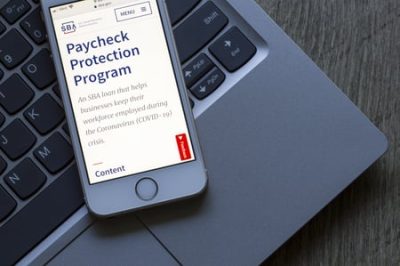





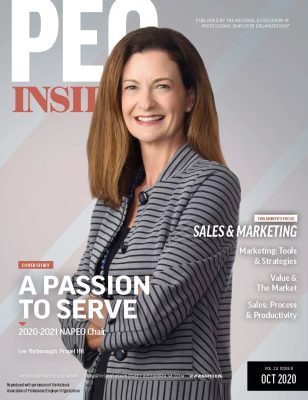 My father, Braxton Cutchin, has always been an entrepreneur, so throughout my childhood he owned all types of businesses. When I was in high school he bought a company that was using an employee leasing company. He first thought the concept was a waste of money, but quickly realized it was a great arrangement, so a few years later he started his own PEO. After I graduated from college, I decided to work for my father while I was trying to figure out what I really wanted to do with my career—but I’ve been working here ever since! He ended up selling his PEO, and we started Propel HR together in 1996. He named me as president right from the beginning, and allowed me to grow, learn, and make my own decisions.

 Professional Counseling and Referrals.

 By Jan. 31, 2021, employers must distribute appropriate tax forms to individuals who received cash payments during 2020, including wages,
  Audit your FTEs to determine if you have reached or exceeded 50 employees and are required to
 Under the Occupational Safety and Health Act (OSHA), employers are required to provide a safe workplace that is free from known hazards. Recently, OSHA revised its
  Review employee records, I-9 files, and check record retention guidelines. Don’t forget to dispose of outdated termination and outdated job applications properly. Check I-9 binders and update documents following the U.S. Citizenship and Immigration Services (USCIS) guidelines. Note that due to precautions related to COVID-19, the U.S. Immigration and Customs Enforcement (ICE) has updated its rules related to
  The IRS recently raised the
  The way we work has changed dramatically in 2020. Review your employee benefits package and make adjustments to meet the current needs of your employees.